


Normal Blood Glucose Range for Elderly Individuals

Some individuals with hyperglycemia require regular blood glucose monitoring to assess whether their glucose levels remain within the normal range and thereby reduce associated health risks.
Normal Blood Glucose Range for Older Adults
The normal blood glucose range for older adults is the same as that for younger adults. The normal fasting blood glucose level is greater than 3.9 mmol/L but less than 6.1 mmol/L. Two hours after a meal, the normal blood glucose level for older adults is greater than 3.9 mmol/L but less than 7.8 mmol/L. Thus, blood glucose control targets are identical for older and younger adults. If an older adult’s fasting blood glucose is ≥6.1 mmol/L or their 2-hour postprandial glucose is ≥7.8 mmol/L, this indicates abnormal glucose metabolism, warranting medical evaluation. A diagnosis of diabetes is established when fasting blood glucose is ≥7.0 mmol/L and/or 2-hour postprandial glucose is ≥11.1 mmol/L.
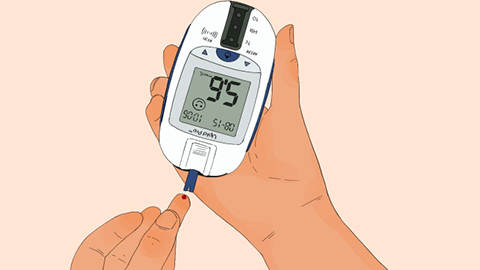
Elevated blood glucose in older adults—especially if diabetes has not yet been diagnosed—warrants prompt medical evaluation and further management. Lifestyle interventions, including regular physical activity and dietary modification, constitute the cornerstone of treatment for older adults with diabetes. Specifically, daily moderate exercise, appropriate caloric intake control, and self-monitoring of blood glucose are strongly recommended.

If lifestyle measures are inadequately implemented, pharmacologic therapy tends to be less effective. In some cases, diligent adherence to these non-pharmacologic strategies alone may normalize blood glucose levels—even eliminating the need for medication. However, if blood glucose remains uncontrolled despite optimal lifestyle intervention, pharmacologic treatment should be considered. Insulin therapy is typically reserved for older adults with diabetes who have multiple complications or markedly elevated blood glucose levels.


