


Can patients with gout drink crucian carp soup?

Many people enjoy drinking fish soup in daily life—not only because fish is delicious, but also because fish soup is highly nutritious. However, it is commonly believed that individuals with gout should avoid crucian carp soup. So, can people with gout drink crucian carp soup?
Can people with gout drink crucian carp soup?
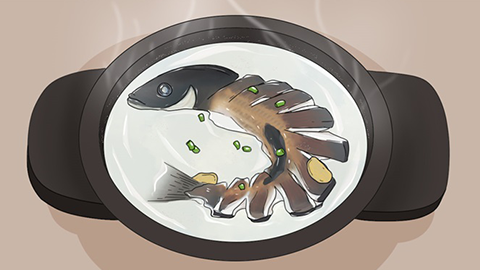
Generally, individuals with gout are advised against consuming crucian carp soup. Crucian carp is a fish with a moderate purine content—approximately 130 mg of purines per 100 g of fish. Patients with intermittent or chronic gout may consume small amounts of crucian carp meat, but crucian carp soup is not recommended. Purines readily dissolve in water, especially during prolonged simmering; consequently, the purine concentration in the soup may even exceed that found in the fish meat itself.
Gout is a crystalline disorder caused by hyperuricemia. Therefore, limiting dietary purine intake is essential. After ingestion, high-purine foods are ultimately metabolized into uric acid and excreted from the body. Excessive consumption of high-purine foods increases the body’s uric acid load, potentially triggering hyperuricemia. Accordingly, patients experiencing acute gout attacks should consume low-purine foods, while those with intermittent or chronic gout should opt for foods with moderate purine content.
For most gout patients, symptoms are typically mild and occur only in the early stages, without long-term or severe manifestations. Thus, this group can often manage their gout effectively through general lifestyle interventions—namely, adjusting sleep patterns and dietary habits—to minimize elevations in serum uric acid levels and maintain gout within a well-controlled range, preventing severe flare-ups. With appropriate self-care, gout symptoms can gradually improve over time. We hope this information proves helpful!


