


How long can a person with hepatitis B live?

Many people feel extremely anxious upon hearing the term “hepatitis B,” fearing that contracting this disease will shorten their lifespan. So, how long can individuals with hepatitis B live?
How Long Can Individuals with Hepatitis B Live?
Individuals with hepatitis B can have a life expectancy comparable to that of the general population—provided their liver function remains essentially normal. However, once the disease progresses to cirrhosis and enters the decompensated stage, its impact on lifespan becomes significantly greater. According to relevant data, the 5-year mortality rate for patients with decompensated hepatitis B-related cirrhosis exceeds 50%. In contrast, among patients with stable, non-progressive cirrhosis, the 5-year mortality rate is only 0–2%. Therefore, hepatitis B carriers and patients with chronic hepatitis B should strive to prevent the development of cirrhosis. In addition to death from cirrhosis, patients with chronic hepatitis B also face an elevated risk of developing hepatocellular carcinoma (HCC) and thus require regular surveillance and screening for liver cancer.
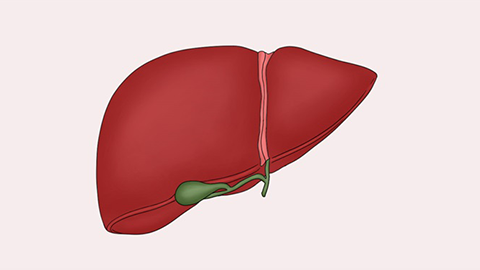
Patients with hepatitis B require oral antiviral therapy to suppress viral replication and prevent severe liver damage. In advanced stages, surgical intervention may be necessary; for instance, liver transplantation may be indicated in cases of liver failure or end-stage cirrhosis. Lifelong antiviral therapy is essential to prevent hepatitis B reactivation.
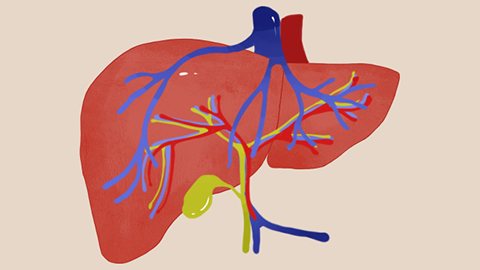
Upon diagnosis of hepatitis B, patients should generally avoid smoking and alcohol consumption. They should also maintain emotional stability and minimize exposure to stressors or other harmful factors. Additionally, drinking ample warm water helps promote urination, thereby aiding the body’s natural detoxification processes. We hope this information proves helpful!


