


What reactions may occur in infants after receiving the hepatitis B vaccine?

Many newborns receive the hepatitis B vaccine shortly after birth to prevent hepatitis B infection. So, what reactions might infants experience after receiving the hepatitis B vaccine?
Common Reactions Following Hepatitis B Vaccination in Infants
Local pain: Injection-site pain and redness or swelling may occur after vaccination; these symptoms typically resolve spontaneously within 2–4 days and require no specific treatment.
Fever: Infants may develop a low-grade fever following hepatitis B vaccination—rarely exceeding 38°C—and this usually resolves within 1–3 days. If the temperature rises above 38.5°C, oral antipyretics may be administered (except during the neonatal period, when antipyretics are contraindicated).
Gastrointestinal reactions: Some infants may experience gastrointestinal symptoms such as nausea, vomiting, abdominal discomfort, diarrhea, or bloating. These generally last 1–3 days and resolve without intervention. However, severe or persistent vomiting or diarrhea warrants prompt medical evaluation.
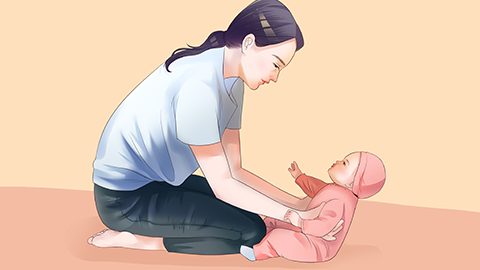
Hepatitis B vaccination protects infants from harm caused by the hepatitis B virus. The vaccine works by stimulating the infant’s immune system to produce immunity against hepatitis B—specifically, hepatitis B surface antibodies (anti-HBs). This antibody is a protective antibody capable of neutralizing and clearing the hepatitis B virus, thereby safeguarding the infant against infection.
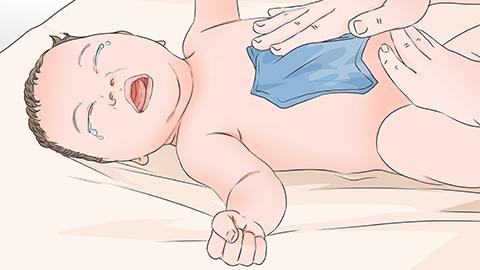
It is essential that infants receive safe and effective hepatitis B vaccination on schedule after birth. Typically, three doses are sufficient to induce protective antibody levels—antibodies that confer immunity against the hepatitis B virus and prevent infection. Vaccine-related side effects are generally mild and self-limiting. We hope this information has been helpful!


