


Can people with gout eat river shrimp?

Although gout is not considered a particularly severe disease, its acute attacks can be extremely painful and intolerable, necessitating careful attention to diet. So, can individuals with gout eat freshwater shrimp?
Can individuals with gout eat freshwater shrimp?
Whether gout patients may consume shrimp depends on the disease stage. During the remission (or inactive) phase of gout, small amounts of freshwater shrimp may be consumed. Shrimp contain approximately 138 mg of purines per 100 g, classifying them as a moderate-purine food. To minimize purine intake, it is advisable to blanch shrimp in boiling water before consumption, as this process removes roughly half of the purines—thereby reducing their absorption in the body.
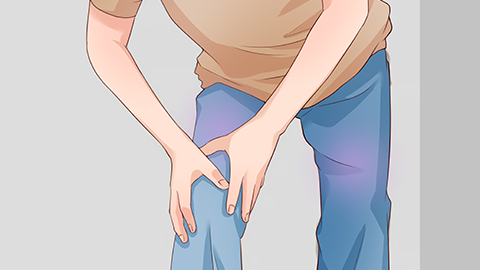
During an acute gout attack, some patients should avoid shrimp entirely, as consumption may exacerbate joint pain and further impair kidney function. In the acute phase, daily purine intake must remain below 100 mg; therefore, shrimp should be avoided at this time. During the stable (i.e., remission) phase, freshwater shrimp should still be consumed only in very limited quantities.
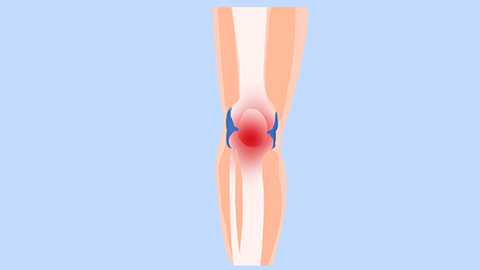
Once diagnosed with gout, individuals with normal heart and kidney function should increase fluid intake to ensure a daily urine output of 2,000–3,000 mL. Additionally, beverages containing fructose—such as cola, orange juice, apple juice, or other sugary drinks—should be avoided. Fruits rich in vitamin C or potassium are acceptable choices. Red wine, white wine, and beer should be strictly avoided, although this recommendation remains somewhat controversial. Maintaining a healthy body weight and engaging in regular physical activity are also strongly advised. We hope this information proves helpful!


