


What does a positive hepatitis B surface antigen (HBsAg) test mean?

Many aspects of hepatitis B arise in daily life. Sometimes, after undergoing a hepatitis B test, the result shows “hepatitis B surface antigen (HBsAg) positive.” What does “HBsAg positive” mean?
What does “hepatitis B surface antigen positive” mean?
The hepatitis B virus (HBV) surface antigen (HBsAg) is the outer envelope protein of the hepatitis B virus. It is non-infectious but highly antigenic. Its presence typically indicates the existence of HBV and serves as a key marker of HBV infection. HBsAg can be detected in the blood, saliva, breast milk, sweat, tears, nasopharyngeal secretions, semen, and vaginal secretions of infected individuals. It becomes detectable in serum 2–8 weeks before the rapid elevation of alanine aminotransferase (ALT), typically 2–6 months after HBV infection. In most patients with acute hepatitis B, HBsAg becomes negative early in the disease course; however, in chronic hepatitis B patients, it remains persistently positive.

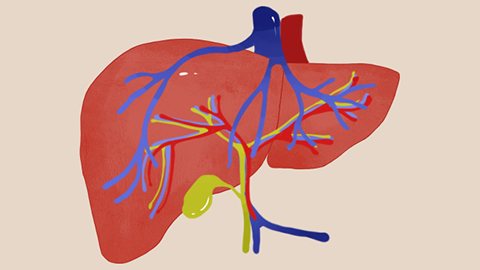
The primary harm of hepatitis B to the human body lies in its damage to hepatocytes. Hepatitis B is a chronic infectious disease caused by the hepatitis B virus. The main transmission routes include sexual contact, mother-to-child transmission, and blood exposure. The virus primarily damages liver cells. Severe cases may progress to cirrhosis, liver failure, or even hepatocellular carcinoma.
Common preventive measures against hepatitis B include eliminating sources of infection, implementing appropriate isolation for infected individuals, and ensuring regular follow-up monitoring for virus carriers during recovery. Additionally, carriers should maintain strict personal and occupational hygiene to prevent contamination of the surrounding environment by their blood or other bodily secretions. We hope this explanation has been helpful!


