


Does heel pain indicate gout?

As people age, they often notice a marked decline in physical stamina—feeling fatigued more easily and even experiencing pain in the soles of their feet after walking relatively short distances. So, is sole pain indicative of gout?
Is Sole Pain Caused by Gout?
Foot pain is typically not caused by gout but rather by plantar fasciitis or other soft-tissue inflammatory conditions. Gout is more commonly seen in younger individuals. Consuming large amounts of high-purine foods—such as seafood, tofu, organ meats, and others—can elevate serum uric acid levels, potentially triggering joint pain.
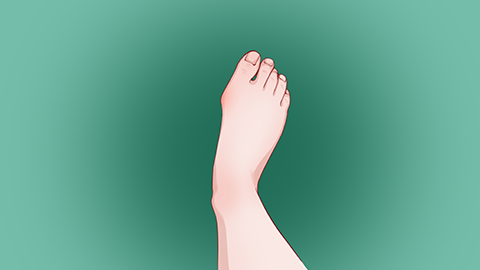
The sole of the foot consists primarily of fascia and ligaments. Pain here usually results from overuse injury or cold exposure, leading to sterile inflammation and subsequent discomfort. If you experience sole pain, keep your feet warm and avoid chilling them. Rest appropriately and avoid excessive physical activity to reduce strain on the plantar ligaments and fascia, thereby preventing further damage and allowing inflammation to gradually subside.

Home remedies for relief: • Warm foot soak: Each evening, soak both feet in warm water (~40°C) to help reduce inflammation. • Medication: When necessary, apply topical analgesic plasters or take nonsteroidal anti-inflammatory drugs (NSAIDs) orally—both can be effective. • Appropriate footwear: Wear loose-fitting, soft-soled shoes to distribute pressure evenly and minimize localized stress. • Other measures: Symptomatic treatment may also aid inflammation resolution; additionally, maintaining a healthy weight helps reduce mechanical load on the feet. We hope this information proves helpful!


