


Can people with gout take calcium supplements?

Many people enjoy taking calcium supplements in daily life, believing that adequate calcium intake contributes to better health. However, some individuals with gout are uncertain whether they can safely take calcium supplements. So, can people with gout take calcium supplements?
Can people with gout take calcium supplements?
Yes, individuals with gout may take calcium supplements. However, it should be noted that calcium itself has no therapeutic effect on gout. Gout is a metabolic disorder primarily caused by disordered purine metabolism, leading to elevated serum uric acid levels. It often runs in families, and many affected individuals are overweight or obese. People with affluent dietary habits are more prone to developing gout, which frequently co-occurs with hyperlipidemia, hypertension, diabetes, atherosclerosis, and coronary artery disease.
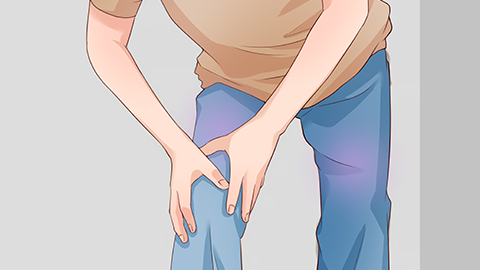
Modifying dietary habits significantly benefits the management of chronic gout and symptom control. First, increase water intake—dehydration is a known trigger for gout attacks. One study found that men who drank 5–8 glasses of water within 24 hours reduced their risk of gout flare-ups by 40%. Additionally, avoid sugar-sweetened carbonated beverages, as they increase the risk of gout attacks.
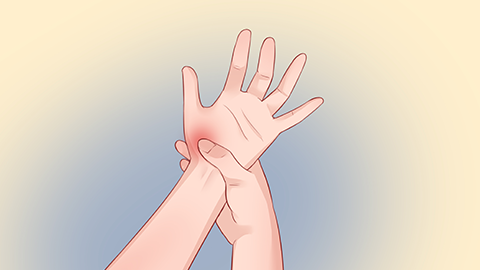
Weight loss is the simplest and most effective strategy for alleviating gout symptoms. Furthermore, incorporating low-purine foods into the diet is beneficial for gout patients. Purines are naturally present in many foods. High-purine foods—such as organ meats, sardines, and anchovies—can trigger gout attacks. Fortunately, many healthy foods—including peas, lentils, and asparagus—contain relatively low levels of purines. We hope this information proves helpful!


