


Can people with gout eat mushrooms?

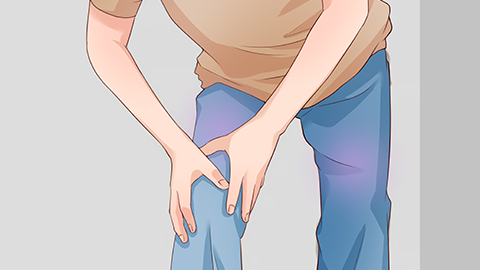
In daily life, many gout patients experience severe knee joint pain, significantly impairing their normal activities and necessitating dietary adjustments. So, can gout patients eat mushrooms?
Can gout patients eat mushrooms?
Gout patients should generally avoid consuming mushrooms. This is because purine content varies widely among mushroom varieties—some are high in purines, while others are low. For example, enoki mushrooms contain particularly high levels of purines and are therefore not recommended for gout patients. During the intercritical or chronic phases of gout, patients may consume low-purine mushroom varieties, such as oyster mushrooms and king oyster mushrooms, which are considered safe.
Dried shiitake mushrooms contain 214 mg of purines per 100 g, classifying them as a high-purine food—hence, they are not recommended for gout patients. However, when dried shiitakes are soaked in water, much of the purine content leaches into the soaking liquid. If the mushrooms are thoroughly drained after soaking, their purine content decreases significantly, making moderate consumption acceptable. Mushrooms also contain other beneficial nutrients; thus, patients with chronic or intercritical gout may consume them in moderation.
Gouty arthritis is closely linked to diet, and its onset can be prevented by limiting intake of high-purine foods. Purine content in foods depends not only on the type of food but also on preparation methods. Selecting appropriate foods and using suitable cooking techniques can help reduce uric acid production. Strict dietary control may fully alleviate gout symptoms—and in some cases, even lead to remission. We hope this information proves helpful!


