


Efficacy and Functions of Safflower Seeds

In daily life, many people have heard of safflower seeds, yet numerous individuals remain unfamiliar with the botanical identity of safflower seeds or their specific health benefits. So, what are the medicinal properties and therapeutic effects of safflower seeds?
Medicinal Properties and Therapeutic Effects of Safflower Seeds
Safflower seeds possess blood-activating and stasis-resolving properties, as well as anti-inflammatory and swelling-reducing effects. Clinically, safflower seeds offer significant health-promoting benefits—particularly due to their rich vitamin E content—which helps improve the internal environment of blood vessels, exerts potent antioxidant activity, combats aging, and markedly enhances the vitality of aged cells and tissues. Additionally, they boost immune function and serve as an excellent choice for scavenging free radicals and preventing malignant tumors. Safflower seeds can also be processed to extract safflower seed oil, offering enhanced health benefits. Moreover, clinical use of safflower seeds has been shown to significantly reduce serum lipid levels, cholesterol, and triglycerides, thereby providing effective protection for the cardiovascular and cerebrovascular systems and aiding in the treatment of fatty liver disease.
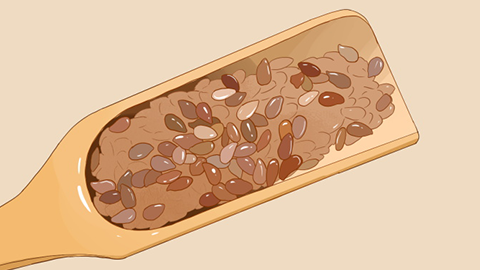
Safflower seed oil is a nutritionally beneficial edible oil. It is one of the preferred cooking oils for patients with hyperlipidemia, coronary artery disease, and other cardiovascular and cerebrovascular conditions. “Tibetan” safflower seed oil—more accurately, safflower seed oil sourced from safflowers grown in the Tacheng-Ertai Basin of Xinjiang—is especially rich in linoleic acid and natural vitamin E, making it the top choice among health-conscious middle-aged and elderly individuals. The main components of safflower seed oil include fatty acids, vitamin E, sterols, and phospholipids. Note: Safflower seed oil is contraindicated during pregnancy.
We hope this article has been helpful to you. Wishing you a happy and healthy life!


