


Efficacy and Effects of Potentilla anserina

Many people have seen the edible plant *Potentilla anserina* (commonly known as “jue ma”), yet few are aware of its health benefits. So, what are the medicinal properties and effects of *Potentilla anserina*?
Medicinal Properties and Effects of Potentilla anserina
Potentilla anserina, also known as “wei ling cai” or “ginseng fruit,” has a sweet taste and neutral nature. It functions to promote salivation and relieve thirst, strengthen the spleen and harmonize the stomach, tonify Qi and nourish blood, and astringe and stop bleeding. Its active components can enhance metabolic activity and improve the functional capacity of various organs; regular consumption may help delay aging and prolong lifespan. Additionally, it alleviates symptoms associated with Spleen deficiency—such as fatigue, abdominal pain, and diarrhea—and is effective in preventing and treating conditions involving bleeding, including hematemesis (vomiting blood), hematochezia (rectal bleeding), and hemorrhoidal bleeding. However, it is contraindicated for women during menstruation, as it may disrupt menstrual regularity.
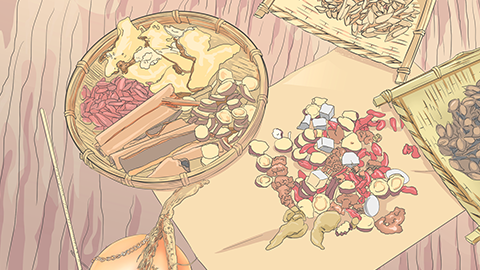
However, Potentilla anserina is unsuitable for individuals with hyperglycemia, as it contains naturally occurring sugars—particularly problematic for those with elevated blood glucose levels, potentially triggering or exacerbating diabetes. Pregnant women are also advised against consuming it. Pregnancy involves unique physiological changes; while minimal intake may provide some nutritional support, caution is warranted.
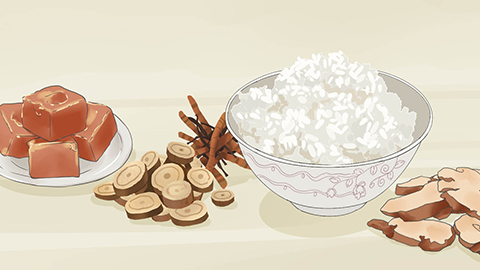
Moreover, Potentilla anserina is generally compatible with most food ingredients. When using fresh Potentilla anserina, thoroughly rinse it first, then combine it with lily bulbs, lotus seeds, and tremella fungus to prepare a nourishing decoction. This preparation helps nourish Yin and moisten the lungs. We hope this information proves helpful!


