


Can hepatitis B be transmitted through saliva?

Hepatitis B is currently the most common chronic hepatitis in China and is also a contagious disease whose transmission routes can pose serious threats to human health. So, can hepatitis B be transmitted through saliva?
Can Hepatitis B Be Transmitted Through Saliva?
Hepatitis B virus (HBV) is not transmitted via saliva. The primary transmission routes of HBV are blood exposure, mother-to-child transmission, and sexual contact. Although individuals with hepatitis B may secrete small amounts of HBV in their saliva, this viral load is generally too low to cause infection. During normal interpersonal communication—even if trace amounts of saliva enter a healthy person’s gastrointestinal tract—the body’s natural immune defenses typically eliminate the virus effectively. The probability of HBV crossing the gastrointestinal mucosal barrier is extremely low, unless both individuals have extensive oral mucosal injuries; under ordinary circumstances, transmission via saliva is virtually nonexistent.

The main transmission routes of HBV include the following:
1. Mother-to-child transmission: This refers to transmission of HBV from an HBV-positive mother to her fetus or newborn during pregnancy, delivery, or breastfeeding.
2. Bloodborne transmission: HBV concentrations in the blood of infected individuals are high; even minute quantities of blood entering a susceptible person’s body may lead to infection. Potential transmission scenarios include blood transfusions or administration of blood products, surgery, needlestick injuries, sharing personal items such as razors or toothbrushes with an infected individual, hemodialysis, and organ transplantation.
3. Sexual transmission: This occurs through unprotected sexual contact with an individual who tests positive for HBV.
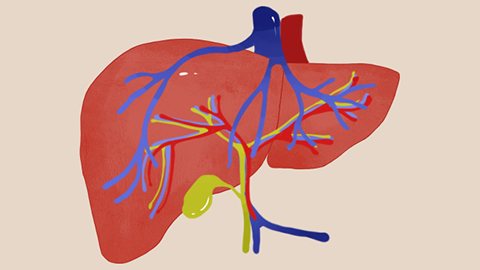
Hepatitis B poses severe risks to human health. Vaccination against hepatitis B provides effective protection against infection. Therefore, individuals who test negative for hepatitis B surface antibody (anti-HBs) are strongly advised to receive the hepatitis B vaccine promptly to safeguard their health. We hope this information has been helpful. Wishing you good health and happiness!


