


Normal Pulse Pressure

Pulse pressure is the difference between systolic and diastolic blood pressure, also referred to simply as “pulse pressure.” Maintaining pulse pressure within a certain normal range is essential for preserving health. So, what constitutes a normal pulse pressure?
Normal Pulse Pressure
In healthy adults, pulse pressure typically ranges from 20 to 60 mmHg. A pulse pressure below 20 mmHg indicates reduced pulse pressure, whereas a value exceeding 60 mmHg signifies elevated pulse pressure. With advancing age, arterial stiffness progressively increases due to arteriosclerosis, leading to a gradual rise in pulse pressure—particularly among individuals aged 60 years and older, where pulse pressure tends to increase further with age.
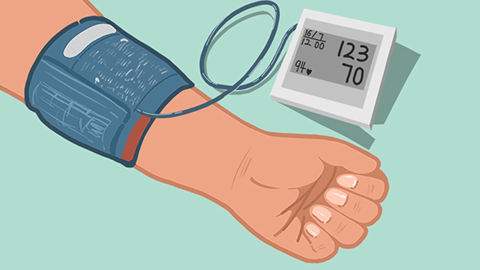
Elevated pulse pressure poses certain health risks. Excessively high pulse pressure increases cardiovascular workload, predisposing individuals to conditions such as coronary heart disease, angina pectoris, anxiety, and palpitations. Moreover, it places additional strain on cerebral vasculature, raising the risk of stroke, intracerebral hemorrhage, dizziness, and cerebral hypoperfusion. Conversely, abnormally low pulse pressure can also be harmful and may even increase the risk of stroke.

Patients experiencing related symptoms are advised to seek prompt comprehensive medical evaluation at a hospital. Timely pharmacological treatment under the guidance of a specialist physician is crucial to alleviate symptoms. Additionally, adopting and maintaining a healthy lifestyle is highly recommended: dietary habits should emphasize low-salt and low-fat intake; emotional stress should be minimized; body weight should be controlled; regular moderate physical exercise should be performed; and blood glucose and lipid levels should be monitored regularly—any abnormalities should be actively managed and treated. We hope this information proves helpful to you. Wishing you good health and a joyful life!


