


What Should Elderly People Eat to Recover Quickly from Fractures?

Elderly individuals commonly suffer from osteoporosis, making them prone to fractures if precautions are not taken. Moreover, due to age-related declines in physiological function, fracture healing tends to be slower in older adults. Therefore, ensuring adequate nutritional support plays a crucial role in promoting fracture recovery. So, what should elderly individuals eat to accelerate healing after a fracture?
What Should Elderly Individuals Eat to Accelerate Fracture Healing?
The following foods can help expedite fracture recovery in elderly patients:
1. Milk: Plain milk is rich in both protein and calcium—the two key nutrients essential for callus formation. Consuming 1–2 servings of milk daily can significantly promote fracture healing in older adults.
2. Tofu: Tofu is high in calcium and plant-based protein, and its soft texture makes it especially suitable for elderly individuals. It is easy to chew and digest, and its calcium content is highly bioavailable—making it an excellent food choice during fracture recovery.
3. Spinal Bone Soup: After a fracture, preparing soup using spinal bones and adding leafy greens provides both calcium supplementation and relief from constipation—a common concern among elderly patients—making it a beneficial dietary option.

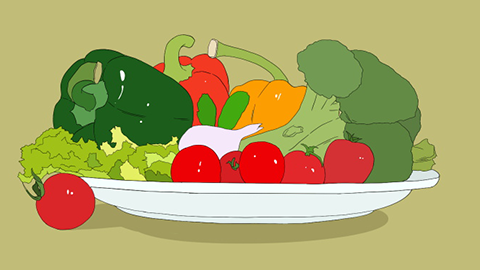
Elderly individuals recovering from fractures require comprehensive nutritional support; thus, they should consume ample fresh fruits and vegetables. Spicy and greasy foods should be avoided. Due to limited mobility and reduced physical activity post-fracture, foods that are difficult to digest should also be avoided—including glutinous rice and taro, which may cause bloating.
Proper and effective nursing care is critically important for elderly patients with fractures. Prolonged bed rest increases the risk of pressure ulcers; therefore, regular repositioning and meticulous skin hygiene are essential to minimize infection risk. Frequent turning and other mobilization strategies also help reduce the incidence of aspiration pneumonia. Additionally, consuming sufficient vegetables and fruits helps prevent constipation. We hope this information proves helpful. Wishing you good health and a joyful life!


