


Best Treatment for Chondromalacia Patellae

Patellar chondromalacia is primarily caused by trauma or chronic overuse, leading to degeneration and shedding of the articular cartilage on the patellar surface, resulting in chronic inflammation that compromises health. So, what is the optimal treatment for patellar chondromalacia?
Optimal Treatment for Patellar Chondromalacia
The optimal treatment for patellar chondromalacia is etiology-based therapy. For trauma-induced cases, management focuses on treating the injury itself—such as immobilization, protection of the patellar cartilage, and guided functional rehabilitation exercises. In cases caused by chronic overuse—resulting from prolonged, repetitive mechanical stress—the offending activity or occupational strain must first be eliminated or modified. Pharmacotherapy may include chondroprotective agents to promote cartilage regeneration and nonsteroidal anti-inflammatory drugs (NSAIDs) for pain relief. If the condition arises secondary to infection, rheumatic disease, or autoimmune disorders, treatment targets the underlying cause; once the primary disease is effectively controlled or resolved, patellar chondromalacia typically improves accordingly.
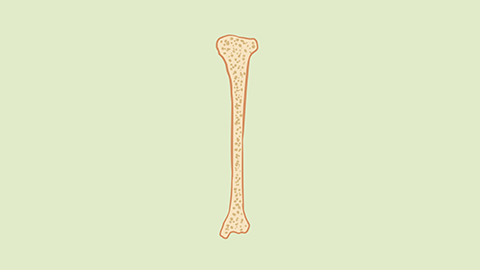
Patellar chondromalacia—also known as chondromalacia patellae or patellofemoral chondritis—is a common cause of anterior knee pain. It involves degenerative damage to the articular cartilage of the patella and/or the opposing trochlear groove of the femur. Clinically, it manifests as knee discomfort, retro-patellar pain, vague deep knee pain, worsening pain with activity, crepitus during patellar movement, and tenderness upon palpation of the patella—a hallmark degenerative joint disorder.
In daily life, consume foods rich in vitamins and high-quality protein—such as fruits, leafy vegetables, lean meats, and seafood. Avoid deep squatting or high-impact activities that place excessive flexion stress on the knee joint, including mountain climbing and stair climbing. Refrain from sudden increases in training intensity; instead, gradually and progressively increase the volume and intensity of strength- and endurance-building exercises. During cold seasons, keep the knee joints warm to prevent exposure to cold and wind. We hope this information proves helpful. Wishing you good health and happiness!


