


What Causes Sudden Redness of the Sclera?

The eyes are an extremely delicate part of the human body and are highly susceptible to abnormalities caused by external factors—for instance, many people experience bloodshot sclera (redness of the white part of the eye). So, what causes sudden redness of the sclera?
What Causes Sudden Redness of the Sclera?
The white part of the eye—also known as the bulbar conjunctiva—can become congested in two primary ways:
1. Conjunctivitis: Classified according to causative pathogens into bacterial and viral types. Patients with conjunctivitis typically present with scleral redness, increased ocular discharge, itching, and discomfort. Treatment is symptom- and cause-specific: for bacterial infections, broad-spectrum antibiotic eye drops—such as levofloxacin eye drops—are prescribed under medical supervision; for viral infections, acyclovir eye gel is commonly used.
2. Dry Eye Syndrome: Excessive eye strain may lead to symptoms such as ocular aching, pressure, fatigue, and concurrent scleral redness. In such cases, preservative-free artificial tears are recommended for treatment.
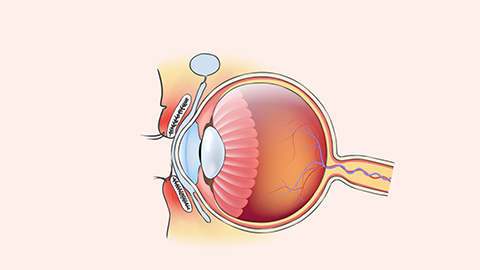
Daily eye care is essential. Regularly performing eye exercises and avoiding late-night activities are strongly advised. Poor visual hygiene may result in ocular dryness; in severe cases, it may even contribute to myopia development. Incorporating routine eye exercises and maintaining healthy sleep habits—including avoiding sleep deprivation—can significantly benefit eye health.

If you notice scleral redness, it is advisable to seek professional evaluation at a hospital to determine the underlying cause and receive appropriate, targeted treatment. Should redness be accompanied by decreased vision, this may signal an intraocular disorder, warranting prompt medical consultation to prevent delays in diagnosis and treatment. We hope this information has been helpful. Wishing you optimal health and well-being!


