


How is measles transmitted?

Measles, caused by the measles virus, is classified as a Category B notifiable infectious disease in China and is highly contagious, posing significant risks to human health. So, how is measles transmitted?
How Is Measles Transmitted?
Measles is highly contagious and is primarily transmitted via respiratory droplets and direct contact with respiratory secretions from infected individuals. Droplet transmission is the main route: when an infected person talks, coughs, or sneezes, measles virus particles are released into the air and can enter a healthy person’s body through the mouth, pharynx, nose, or conjunctiva of the eyes. Once inside the respiratory tract, the virus replicates rapidly, leading to the onset of measles and subsequent viral shedding in respiratory secretions.
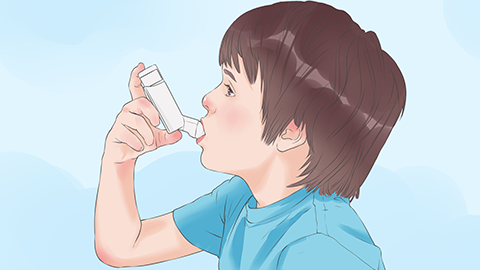
The transmission of measles is relatively straightforward, as humans are the sole natural host for the measles virus. Outside the human body—especially in well-ventilated environments—the virus has low environmental stability; under direct sunlight, it survives for only about 30 minutes. Therefore, regular room ventilation and frequent washing of clothes can effectively prevent measles virus proliferation. Individuals with weakened immunity may enhance their physical resistance through regular exercise and dietary interventions, thereby reducing susceptibility to measles infection.
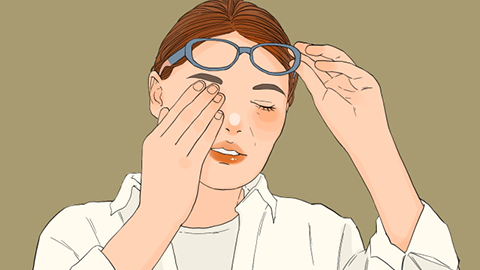
Common symptoms of measles infection include cough, runny nose, fever, and conjunctivitis (red eyes). As the illness progresses, a characteristic rash appears, typically starting on the face and spreading downward to involve the entire body. Upon diagnosis, prompt symptomatic treatment under medical supervision is essential to prevent disease progression and serious complications. During peak transmission seasons—such as winter and spring—and in crowded settings, wearing masks is strongly recommended to reduce the risk of droplet-mediated respiratory transmission. We hope this information is helpful to you. Wishing you good health and happiness!


