


How long can a person live after a kidney transplant?

Chronic kidney failure is relatively common among patients in daily life. After undergoing kidney transplantation, many patients worry about their life expectancy. So, how long can one live after a kidney transplant?
How Long Can One Live After a Kidney Transplant?
On average, patients may live approximately 40 years post-transplant; however, actual survival duration is not fixed and depends largely on individual lifestyle habits. Some patients with end-stage renal disease survive for extended periods following kidney transplantation. Clinically, the longest documented case involves a patient who has maintained function of a transplanted kidney for over 40 years—a testament to the critical role of healthy lifestyle choices.
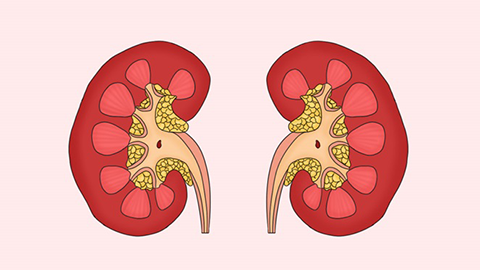
Conversely, some patients experience recurrent kidney failure within just a few years after transplantation—often closely linked to unhealthy personal habits. Therefore, the longevity of kidney transplant recipients hinges significantly on their self-management capabilities: adherence to regular follow-up examinations, consistent medication compliance, and strict adherence to physicians’ instructions—all essential for achieving long-term survival.
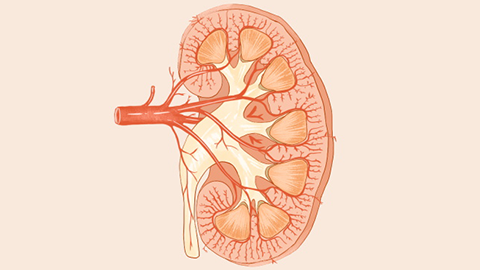
Coexisting Medical Conditions: The presence of other diseases—such as coronary artery disease, hepatic disorders, or cerebrovascular disease—can impair systemic metabolism and thereby adversely affect kidney function. Hypertension, hyperlipidemia, or other comorbidities further increase renal workload and negatively impact transplant recipient survival.
Transplant Rejection: Lifelong immunosuppressive therapy is required following organ transplantation, which carries potential adverse effects. Prominent side effects or inappropriate dosing of anti-rejection medications may compromise graft function.
We hope this information is helpful to you!


