


How to treat hypoglycemia
May 26, 2022
Source: Cainiu Health

Dr. Pan Yongyuan
Introduction
During hypoglycemia, patients may consume foods and beverages high in sugar. In severe cases, blood glucose levels can be raised via intravenous glucose infusion or other appropriate interventions, with the specific approach tailored to the severity of hypoglycemia. If the patient is conscious, they should immediately consume fast-acting carbohydrates such as candy, pastries, biscuits, or high-sugar fruits (e.g., bananas, jackfruit, mangoes, or melons), or drink sugary beverages, glucose solution, or honey water.
Some patients wish to understand how to rapidly manage hypoglycemia when symptoms occur. So, how should hypoglycemia be treated?
How to Treat Hypoglycemia
During hypoglycemia, individuals may consume foods or beverages high in sugar. In severe cases, intravenous glucose infusion or other interventions may be required to raise blood glucose levels—treatment should be tailored according to the severity of hypoglycemia. If the patient is conscious, they should immediately consume fast-acting carbohydrates such as candy, pastries, biscuits, or high-sugar fruits (e.g., bananas, jackfruit, mangoes, or melons), or drink sugary beverages, glucose solution, or honey water.
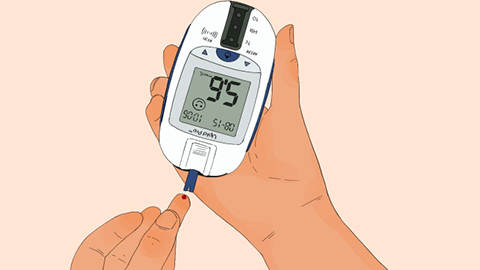
If symptoms do not improve within 10 minutes after consuming these foods, blood glucose likely remains below normal, and additional carbohydrate intake may be needed until levels normalize. However, if dietary supplementation fails to relieve symptoms, prompt medical attention is essential. In cases of hypoglycemic coma—where the patient is unconscious—do not administer oral sugar-containing substances. At this stage, impaired consciousness increases the risk of aspiration, choking, or life-threatening airway obstruction if sugar water is forcibly given. Instead, immediate transport to a hospital is critical for intravenous glucose administration, or for treatment with glucocorticoids and counter-regulatory hormones to rapidly elevate blood glucose.

The above medications are for reference only; specific drug use must be guided by a physician. Additionally, we recommend seeking prompt medical evaluation upon symptom onset and following your physician’s advice for appropriate management. We hope this information is helpful to you!



