


How is diarrhea caused by rotavirus infection treated?

Rotavirus infection primarily causes autumnal diarrhea, a condition most commonly affecting infants and young children. Without prompt treatment, it can lead to dehydration.
How is diarrhea caused by rotavirus infection treated?
Rotavirus infection—also known as autumnal diarrhea—is an acute enteritis caused by the rotavirus. Typical symptoms include vomiting followed by diarrhea, often accompanied by fever. Stools are typically watery or resemble egg-drop soup. Rotavirus spreads via two main routes: the fecal-oral route and, less commonly, through respiratory transmission. With timely treatment, recovery is usually rapid. Initial management may include oral administration of smectite powder (e.g., Smecta®) to control diarrhea; antibiotics such as cephalosporins or amoxicillin may be added if clinically indicated. It is crucial to ensure adequate fluid replacement—especially in children and adults—using oral rehydration salts (ORS) to prevent dehydration.

Rotavirus infection is a highly prevalent viral infectious disease transmitted predominantly via the fecal-oral route. It is a leading cause of childhood diarrhea during autumn and winter, termed “rotavirus enteritis.” The most common initial symptom following infection is vomiting, which typically precedes severe diarrhea by one to two days; some patients may also develop fever.
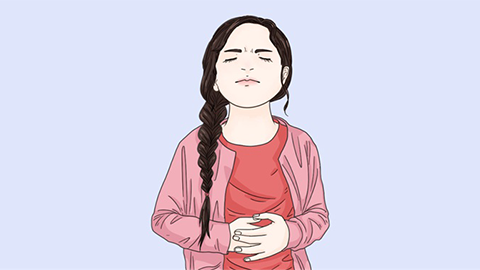
Diarrhea associated with rotavirus infection exhibits characteristic features: increased frequency, larger stool volume, and greater water content per episode. Dehydration poses a greater clinical threat than diarrhea itself; therefore, maintaining adequate fluid intake is paramount in managing rotavirus infection. We hope this information has been helpful!


