


Can people with gout eat peas?

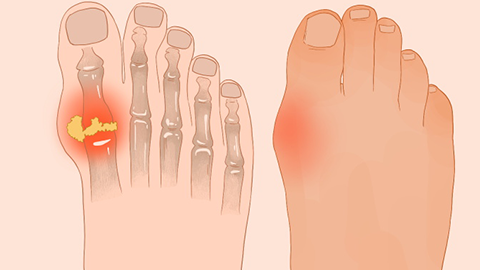
Peas are highly nutritious, rich in protein and vitamins, and can enhance the body’s immune function and resistance to disease. Some gout patients wish to include peas in their diet; however, can individuals with gout safely consume peas?
Can people with gout eat peas?
Patients with gout may consume peas in moderation. Peas are classified as a moderate-purine food—containing relatively high levels of purines—and thus should only be eaten in small quantities. Regular or excessive consumption of peas may elevate serum uric acid levels in gout patients, potentially hindering disease recovery.
Peas offer substantial nutritional value and a well-balanced nutrient profile. Based on maturity and preparation, they are generally categorized into green (immature, tender) peas and dried peas. For gout patients, green peas are typically recommended—these may be boiled or stir-fried after quick-freezing. Occasionally, peas are ground into flour to produce pea-based foods (e.g., pea starch or pea flour products); however, such processed pea products are not recommended for gout patients. Their high fructose and sugar content may contribute to elevated blood glucose, lipid, and uric acid levels in these individuals.
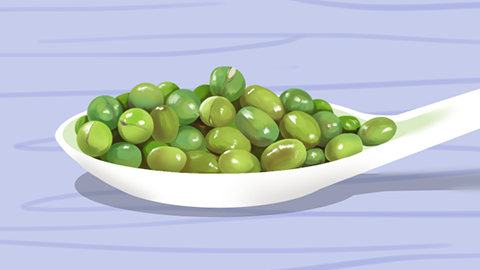
Boiled and lightly stir-fried peas are generally recommended for gout patients. Other safe vegetable options include pumpkin, celery, leek, wood ear fungus, carrot, radish, cabbage, and shredded radish—all of which may be consumed without concern. Additionally, individuals experiencing gout symptoms should promptly seek medical evaluation and follow their physician’s guidance for appropriate management. We hope this information is helpful to you!


