


Can hypoglycemia cause hand tremors?
May 26, 2022
Source: Cainiu Health

Dr. Pan Yongyuan
Introduction
Hypoglycemia may cause hand tremors, but it typically does not result in persistent tremors. Glucose is the primary energy source for human cells and a crucial fuel for bodily functions; normal physiological activity largely depends on glucose supplied by the bloodstream. Hypoglycemia stimulates epinephrine secretion, triggering sympathetic nervous system activation, tachycardia, elevated blood pressure, and other related responses.
Hypoglycemia refers to abnormally low blood glucose levels. It may cause various symptoms—including nausea, vomiting, fatigue, and palpitations—significantly disrupting patients’ daily life and academic performance. So, does hypoglycemia cause hand tremors?
Does hypoglycemia cause hand tremors?
Yes, hypoglycemia can cause hand tremors, although persistent tremors are uncommon. Glucose serves as the primary energy source for human cells and is a critical fuel for bodily functions; normal physiological activity largely depends on adequate glucose supply via the bloodstream. During hypoglycemia, the body responds by stimulating epinephrine (adrenaline) secretion, leading to sympathetic nervous system activation—manifesting as tachycardia, elevated blood pressure, and other related reactions. If the brain lacks sufficient glucose, symptoms such as dizziness and blurred vision may occur.
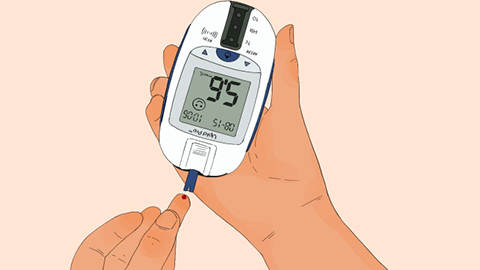
Muscle dysfunction due to hypoglycemia may present as hand tremors, generalized muscle weakness, difficulty walking, or inability to stand steadily. While hand tremors are among the possible manifestations of hypoglycemia, not all symptoms necessarily occur simultaneously. Importantly, promptly ingesting carbohydrates typically alleviates hypoglycemic symptoms—including tremors—and sustained tremors generally do not persist after correction. However, if tremors fail to improve significantly following carbohydrate intake, immediate medical attention is advised; intravenous glucose administration in a hospital setting may be necessary to resolve the tremors.

Additionally, individuals experiencing such symptoms should seek prompt medical evaluation at a healthcare facility and follow their physician’s guidance for appropriate management. We hope this information has been helpful!



