


Are liver cysts serious?

The liver is a vital organ in the human body; any hepatic dysfunction can significantly impair overall health and adversely affect daily life and work. So, how serious is a liver cyst?
How serious is a liver cyst?
A solitary hepatic cyst is generally not serious. However, patients require a definitive diagnosis of hepatic cyst and differential diagnosis to rule out other conditions. During color Doppler ultrasound examination, the patient’s liver may appear as a hypoechoic mass.
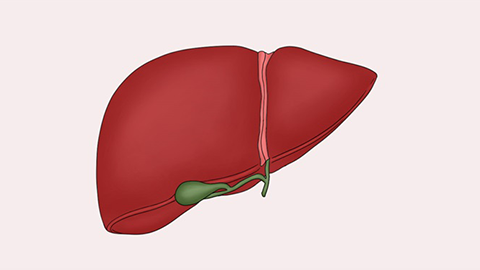
In such cases, further imaging—such as contrast-enhanced CT or MRI of the upper abdomen—may be necessary to exclude metastatic hepatic tumors or hydatid disease (echinococcosis). If the patient presents with fever and elevated white blood cell count, hepatic abscess cannot be entirely ruled out. Contrast-enhanced CT or MRI of the upper abdomen can aid in differentiating these conditions.
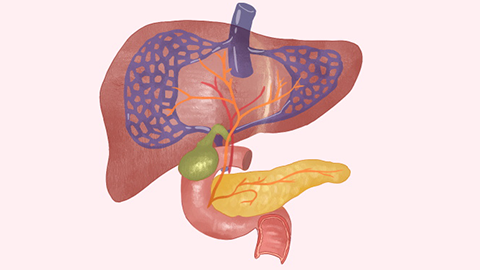
Once a hepatic cyst is confirmed, regular follow-up is recommended—for instance, an upper abdominal color Doppler ultrasound every 6 months to 1 year to monitor changes in cyst size and diameter. If the cyst diameter remains under 5 cm, continued observation is appropriate. However, if it exceeds 5 cm, active intervention—such as ultrasound-guided percutaneous cyst aspiration and drainage or laparoscopic cyst fenestration and drainage—is warranted. The clinical significance of a hepatic cyst depends on its size and associated symptoms. Hepatic cysts are benign lesions and typically pose no serious threat. Small, asymptomatic cysts require no specific treatment; routine hepatic ultrasound surveillance every 6 months suffices. We hope this information is helpful to you.


