


Is hemophilia inherited across generations?

Hemophilia is a sex-linked inherited disorder, typically affecting males. Does hemophilia skip generations?
Does hemophilia skip generations?
Hemophilia exhibits a pattern of “skipped-generation” inheritance. It is an X-linked recessive genetic disorder. If a male with hemophilia passes the hemophilia gene to his daughter, she will be an asymptomatic carrier but will not develop the disease herself. However, if this female carrier passes the hemophilia gene to her son, he will develop hemophilia. If she passes the gene to her daughter, that daughter will also be a carrier—not an affected individual.
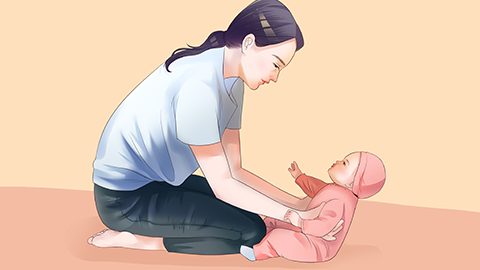
In infancy and early childhood, individuals with hemophilia are prone to bleeding. For example, various bleeding symptoms may appear after a child begins crawling or walking. Bleeding can occur in multiple locations—including subcutaneous tissues, muscles, and joints—and severe cases may involve renal hemorrhage or hematoma formation. Intracranial hemorrhage, however, is relatively rare and rarely life-threatening in the immediate term.
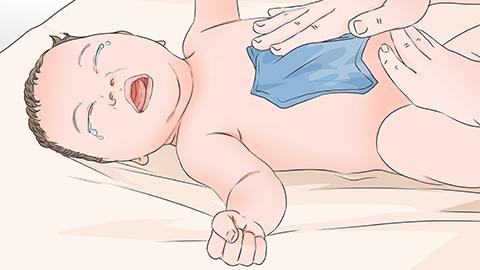
Mild hemophilia often becomes apparent during adolescence, manifesting as bleeding following physical activity or injury. However, minor bleeding episodes are generally not cause for concern and do not interfere with daily life. The most effective treatment for hemophilia is intravenous infusion of clotting factor concentrates (e.g., plasma-derived or recombinant factor VIII or IX), which restores the patient’s coagulation factor levels to a range permitting normal blood clotting. We hope this information is helpful to you!


