


What Causes Foamy Stool?

Minor health issues can easily arise in daily life—for instance, noticing foam in the stool during bowel movements. So, what causes foamy stools?
What Causes Foamy Stools?
Foamy stools may indicate digestive dysfunction or intestinal dysmotility, or could be associated with other gastrointestinal disorders. Routine stool and blood tests are recommended; if necessary, a colonoscopy may be performed to clarify the diagnosis. Maintaining healthy lifestyle habits—including balanced nutrition, abdominal warmth, and appropriate use of probiotics—alongside herbal medications that strengthen the spleen and nourish the intestines can help manage symptoms effectively. Additionally, maintaining a positive mental state significantly supports gradual recovery.
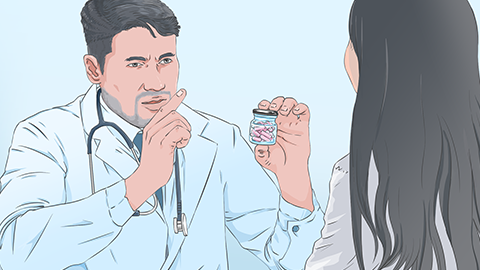
Consumption of contaminated food or viral infections—such as rotavirus or norovirus—or bacterial infections like shigellosis may trigger acute enteritis, resulting in foamy, often loose stools. Foaming may also occur during urination. In such cases, antimicrobial agents (e.g., amoxicillin or azithromycin) may be prescribed. If dehydration is present, prompt rehydration with oral fluids containing sodium and other electrolytes is essential to prevent electrolyte imbalances.
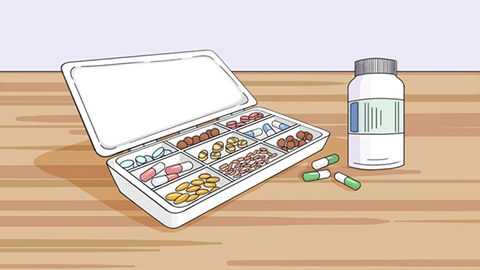
Moreover, foamy stools may also stem from excessive psychological stress or irregular eating patterns. It is advisable to relax mentally, adjust dietary habits, and engage in moderate physical activity. Practicing good food hygiene in daily life—and limiting intake of spicy, irritating, high-fat, or hard-to-digest foods—is also recommended. We hope this information proves helpful!


