What Are the Symptoms of Iron Deficiency Anemia?
May 27, 2022
Source: Cainiu Health

Dr. Zhao Xinju
Introduction
The most common symptom of iron-deficiency anemia is anemia itself, manifesting as dizziness, fatigue, headache, irritability, and exercise intolerance. In severe cases, patients may develop exertional dyspnea, dizziness, or even angina pectoris. Patients may also exhibit pica—an abnormal craving for non-nutritive, non-food substances. Additionally, iron deficiency can lead to reduced activity of certain iron-containing enzymes, resulting in dry, rough skin and loss of lingual papillae.
The hematologic system—Anemia is a common disorder characterized by a reduction in the volume of red blood cells in peripheral blood below the lower limit of the normal reference range. Because direct measurement of red blood cell mass is complex, hemoglobin concentration is commonly used as a surrogate marker. So, what are the symptoms of iron-deficiency anemia?
Symptoms of Iron-Deficiency Anemia
The most common manifestation of iron-deficiency anemia is anemia itself, presenting with symptoms such as dizziness, fatigue, headache, irritability, and exercise intolerance. In severe cases, patients may develop exertional dyspnea, vertigo, or even angina pectoris. Some patients exhibit pica—a craving for non-nutritive substances (e.g., ice, clay, or starch). Additionally, iron deficiency can impair the function of iron-containing enzymes, leading to dry, rough skin; atrophy of the lingual papillae; glossodynia (tongue pain); xerostomia (dry mouth); cheilosis (cracked lips); and koilonychia (spoon-shaped nails). In very severe cases, alopecia (hair loss) may occur. Iron deficiency thus produces a wide spectrum of clinical manifestations.
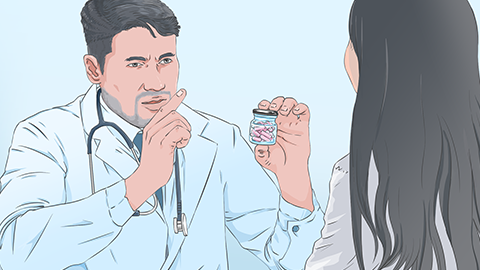
Iron-deficiency anemia must be treated with oral iron supplements strictly as prescribed by a physician. Consuming iron-rich foods can also support recovery from anemia. Iron-rich food sources include animal-based products such as beef, pork, lamb, fish, and chicken. Animal liver is especially rich in iron. Concurrent intake of vitamin C–rich foods (e.g., fresh vegetables and fruits) is recommended, as vitamin C enhances intestinal absorption of dietary iron.
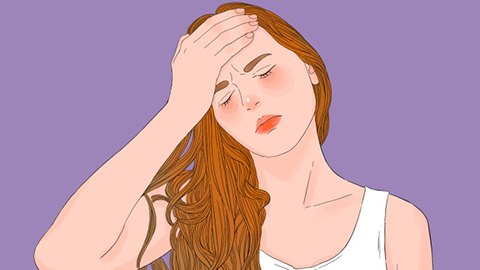
Additionally, avoid foods that inhibit iron absorption. Do not consume milk or tea when taking iron supplements, as both significantly impair iron absorption. Maintain an interval of at least two hours between ingestion of iron supplements and iron-rich foods. We hope this information is helpful to you!