


What Causes Foamy Urine?

Some individuals notice excessive foam in their urine during urination. Although this may not seem serious, it warrants attention. So, what causes foamy urine?
What Causes Foamy Urine?
Foam in urine results from increased surface tension of the urine, and is commonly associated with the following conditions: • Diabetes mellitus: Elevated glucose levels in urine increase its surface tension. Patients should consult a diabetes specialist for evaluation and management. • Glomerulonephritis or nephrotic syndrome: In glomerulonephritis, damage to the semi-permeable membrane of the glomeruli allows plasma proteins to leak into the urine. Increased urinary protein concentration promotes foam formation. Treatment—including corticosteroids and other immunosuppressive agents—should be tailored according to the specific type of glomerulonephritis.
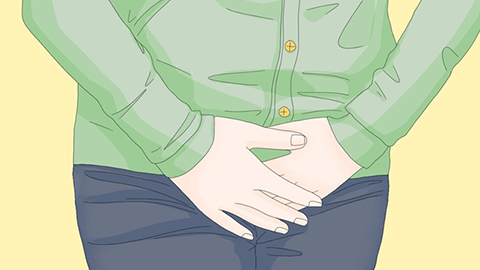
Additionally, urethral mucosal epithelium may become congested and edematous, leading to epithelial shedding. Bacteria and metabolic waste products in the urine can then combine to form foam. A urinalysis is recommended. If numerous white blood cells are detected, further treatment with fluoroquinolone antibiotics may be warranted.

Foamy urine may also be reduced by increasing fluid intake, consuming a light diet, and limiting meat consumption. Foam formation primarily reflects high concentrations of inorganic and organic salts in the urine. When these salts are excreted into the toilet bowl, differences in surface tension readily produce abundant foam. Concurrently, routine urinalysis should be performed to screen for proteinuria. We hope this information proves helpful.


