


Reference Table for Normal Progesterone Levels at 6 Weeks of Pregnancy

Progesterone is a critical biomarker in early pregnancy, essential for supporting the growth and development of the gestational sac. Its primary functions include facilitating implantation of the gestational sac and exerting immunosuppressive effects. So, what are the normal progesterone reference values at 6 weeks of gestation?
Normal Progesterone Reference Values at 6 Weeks of Gestation
Dynamic monitoring of serum human chorionic gonadotropin (hCG) levels during weeks 8–10 of pregnancy helps assess embryonic development. During early pregnancy, serum hCG levels typically double every 1–2 days up to week 8—indicating healthy embryonic development. Moreover, when hCG levels are optimal, hCG itself can stimulate partial progesterone secretion by the corpus luteum. However, progesterone levels generally remain relatively stable or gradually decline as gestational age advances, reaching their lowest point around week 7 of early pregnancy.
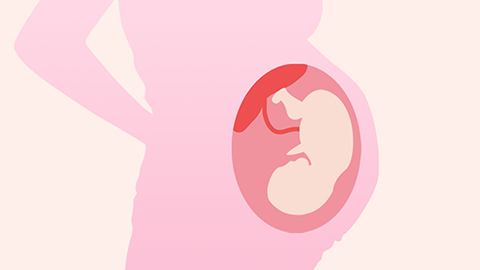
A progesterone level above 25 ng/mL suggests a viable intrauterine pregnancy; however, definitive confirmation requires ultrasound examination. A level below 5 ng/mL indicates poor pregnancy prognosis. Therefore, an ideal progesterone level at 6 weeks is approximately 20 ng/mL. If levels are suboptimal, progesterone supplementation may be initiated following confirmation of an intrauterine pregnancy. Sexual intercourse should be avoided during early pregnancy—especially if brownish vaginal discharge is present, in which case strict bed rest is mandatory. Avoid spicy, stimulating, or “heat-inducing” foods. Nevertheless, try not to become overly anxious; maintaining a calm and positive mindset is important.

The primary physiological roles of progesterone include inhibition of uterine smooth muscle contractions, stabilization of the endometrium, prevention of immune-mediated rejection of the embryo, and promotion of mammary gland development. Low progesterone levels may trigger uterine contractions and immune rejection responses, compromising embryonic stability and potentially leading to spontaneous expulsion of the embryo. We hope this information is helpful to you!


