


What Is the Normal Blood Pressure Range for Older Adults?

“Elderly” refers to older individuals—specifically, aged persons, or one’s elderly parents or grandparents. So, what is the normal blood pressure range for older adults?
What Is the Normal Blood Pressure Range for Older Adults?
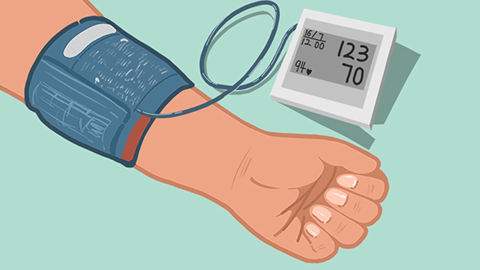
Definitions of “elderly” vary by country: some define it as age 65 and above, others as 70 or even 80 years and older. Generally, the normal blood pressure range for older adults does not differ significantly from that of younger adults. Specifically, normal blood pressure is typically defined as systolic pressure <140 mmHg and diastolic pressure <90 mmHg. When measured at home, a systolic pressure of ≤135 mmHg and a diastolic pressure of ≤85 mmHg are also considered within the normal range; a diastolic pressure as low as 60 mmHg may still be acceptable in certain cases.

However, for individuals aged 80 years and older, the target blood pressure thresholds are somewhat relaxed: systolic pressure <150 mmHg and diastolic pressure <90 mmHg are considered acceptable, provided the diastolic pressure remains >60 mmHg and the systolic pressure >90 mmHg. In older adults, diastolic pressure rarely increases due to pronounced arterial stiffness; instead, diastolic pressure tends to be lower while systolic pressure may rise. Additionally, declining organ function and relatively increased vascular resistance mean that blood pressure should not be lowered excessively.
Some older adults exhibit wide pulse pressure or have difficult-to-control hypertension; thus, blood pressure targets must be individualized based on clinical assessment and overall health status. We hope this information is helpful to you!


