


Can people with gout eat sweet potatoes?

Acute gouty arthritis is associated with hyperuricemia—the underlying cause of gout. In daily life, individuals with gout must also pay attention to dietary influences. So, can people with gout eat sweet potatoes?
Can people with gout eat sweet potatoes?
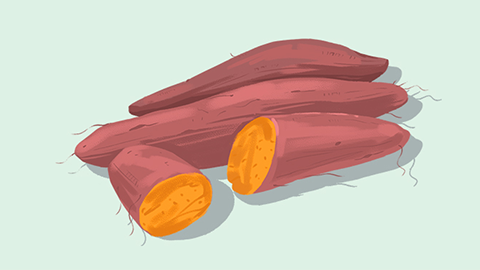
Yes, individuals with gout may consume sweet potatoes—but in moderation. Particularly, they should avoid overly sweet varieties. Sweet potatoes are rich in beta-carotene and dietary fiber, offering valuable nutritional benefits. They contain extremely low levels of purines and therefore do not exacerbate gout. Additionally, sweet potatoes provide abundant dietary fiber, vitamins, potassium, beta-carotene, and folate. They promote gastrointestinal motility, facilitate bowel movements, exhibit anticancer properties, and support cardiovascular and cerebrovascular health—making them safe for gout patients. However, very sweet varieties may contain high amounts of fructose, which can elevate serum uric acid levels to some extent.
Gout is a metabolic disorder caused by disordered purine metabolism, resulting in elevated serum uric acid levels. Gout patients should limit intake of high-purine foods—including organ meats, seafood, meat broths, and soy products. Instead, they should consume moderate amounts of fresh fruits and vegetables, such as cucumbers and celery.

Dietary considerations for gout include abstaining from alcohol, as it increases lactic acid production—which inhibits uric acid excretion—and promotes purine conversion into uric acid. Drink plenty of water; alkaline mineral water (e.g., sodium bicarbonate-enriched water) helps alkalinize urine. Aim for a daily urine output of at least 2 liters. Avoid excessive consumption of high-purine foods, such as organ meats, shellfish, meat broths, mushrooms, and spinach. We hope this article has been helpful. Wishing you a joyful life and good health!


