


Fruits That People with Gout Should Avoid

Gout is a serious medical condition caused by metabolic dysfunction in the kidneys. Failure to maintain a balanced diet—particularly frequent consumption of high-purine foods—can lead to joint pain and swelling. So, which fruits should individuals with gout avoid?
Fruits to Avoid with Gout
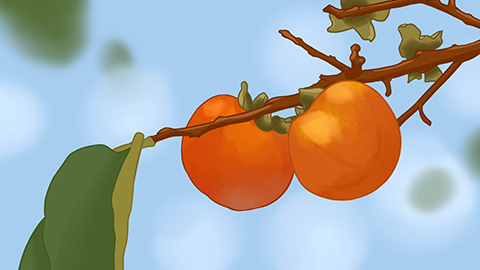
Persimmons are among the fruits that individuals with gout should avoid. Though widely enjoyed for their rich nutritional profile, persimmons are considered “cold” in nature according to traditional Chinese medicine. Regular consumption by gout patients may significantly impair health, trigger recurrent gout attacks, and exacerbate the disease.
Watermelon: While moderate watermelon consumption during summer can replenish essential nutrients and sugars, frequent intake by gout patients places additional strain on the kidneys. This may cause a marked rise in serum uric acid levels, thereby interfering with gout management. Inappropriate dietary choices may also predispose patients to secondary complications.

Mangoes: Like watermelon, mangoes contain high sugar content—and are classified as “heat-inducing” fruits. Excessive intake of purine-rich foods—including mangoes—may elevate blood uric acid levels in gout patients, worsening symptoms and hindering effective treatment.
Gout is a relatively severe condition; without appropriate management, it may progress to joint deformity. Therefore, timely medical evaluation is essential to assess disease severity and initiate targeted treatment. During therapy, maintaining a disciplined dietary regimen is crucial: avoid cold foods and high-purine fruits to prevent gout exacerbation. We hope this article has been helpful. Wishing you a joyful life and optimal health!


