


What types of alcohol can people with gout consume?
May 28, 2022
Source: Cainiu Health

Dr. Pan Yongyuan
Introduction
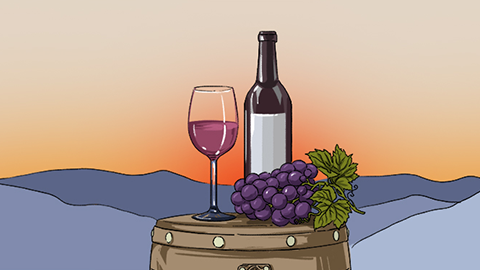
Occasionally, patients with gout may consume small amounts of red wine in moderation. Since red wine is made from grapes and other similar ingredients, it contains relatively low levels of purines; therefore, its consumption typically does not significantly affect serum uric acid levels. Moreover, research suggests that red wine may help lower blood uric acid levels. In contrast, beer and white spirits (e.g., baijiu) are strictly prohibited for gout patients, as the alcohol they contain markedly elevates serum uric acid levels.
In daily life, an increasing number of people are affected by gout. Besides receiving prompt and appropriate treatment after diagnosis, individuals with gout must also pay close attention to dietary adjustments. So, what types of alcoholic beverages—if any—can people with gout safely consume?
Which Alcoholic Beverages Can People with Gout Consume?
People with gout may occasionally drink small amounts of red wine. Red wine is made from grapes and other fruits, and its purine content is relatively low; therefore, moderate consumption generally does not significantly affect serum uric acid levels. Moreover, research suggests that red wine may help lower blood uric acid levels. In contrast, beer and baijiu (Chinese distilled liquor) are strictly prohibited for gout patients, as the alcohol they contain markedly elevates serum uric acid levels and increases the risk of gout flares. Gout patients should maintain high fluid intake—ideally 2,500–3,000 mL of water per day—to promote uric acid excretion.
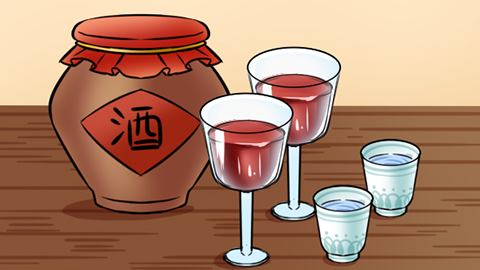
Individuals with gout should avoid alcohol altogether whenever possible—especially huangjiu (Chinese rice wine). Huangjiu is brewed from glutinous rice and wheat and contains high levels of purines, making it particularly detrimental for gout patients. Baijiu, on the other hand, contains virtually no purines; its primary components are ethanol and water. If forced to choose between huangjiu and baijiu, a low-alcohol baijiu would be the lesser of two evils—but even then, consumption must remain strictly limited. The main concern linking baijiu to gout lies in its alcohol content: ethanol metabolism produces lactic acid, which inhibits renal uric acid excretion and thus exacerbates gout.
Patients are advised to seek standardized medical treatment as early as possible to minimize gout-related health complications. Additionally, patients should avoid foods rich in purines. We hope this information proves helpful!







