


Can people with gout drink huangjiu (Chinese yellow rice wine)?

Huangjiu (Chinese rice wine) is a type of fermented alcoholic beverage, typically brewed from glutinous rice, millet, or other grains. So, can individuals with gout consume huangjiu?
Can individuals with gout drink huangjiu?
Individuals with gout should not drink huangjiu. Huangjiu is not recommended for gout patients. Its primary component is alcohol, which is metabolized by the liver. Intermediate metabolites of alcohol impair uric acid excretion, leading to elevated serum uric acid levels, exacerbation of gout symptoms, and prolonged gout attacks. In addition to huangjiu, other alcoholic beverages—including baijiu (Chinese distilled spirit), beer, red wine, and any other alcohol-containing drinks—are also discouraged. Furthermore, strict dietary control is essential: avoid seafood, meat broths, hotpot dishes, organ meats, and meats high in purines.

Gout is a common form of acute, recurrent arthritis directly linked to hyperuricemia. As a metabolic disorder, gout imposes strict dietary requirements—primarily a low-purine diet. Notably, all types of alcoholic beverages—including beer, baijiu, huangjiu, and wine—contain abundant purines.
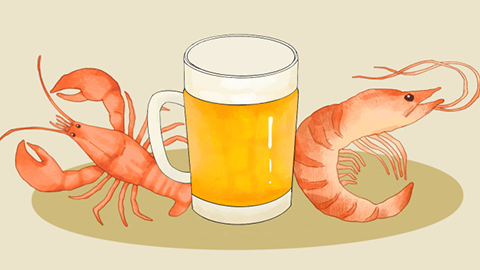
Moreover, alcohol further disrupts purine metabolism, resulting in increased uric acid production; thus, alcoholic beverages are strictly contraindicated. Organ meats, seafood, and concentrated meat broths are especially rich in purines and must be strictly avoided. Moderate-purine foods—including various meats, freshwater fish, and soy products—should be consumed sparingly, only in amounts sufficient to meet nutritional needs. Vegetables, fruits, milk, and eggs contain minimal purines; notably, vegetables and fruits are alkaline-forming foods and may be consumed freely. We hope this article has been helpful. Wishing you a joyful life and good health!


