


What Should You Do If Blisters Appear After Cupping?

With improvements in living standards, many people have become increasingly attentive to health maintenance. Cupping therapy is commonly used to relieve low back pain and muscle aches. But what should one do if blisters develop after cupping?
What to Do If Blisters Appear After Cupping
Blisters following cupping may indicate excessive internal dampness—a normal physiological response. Alternatively, they may result from excessive negative pressure or prolonged cupping duration, causing minor skin injury. It is advisable to maintain local hygiene and cleanliness. Small blisters typically require no treatment. For larger blisters, sterile syringes may be used to aspirate the fluid.
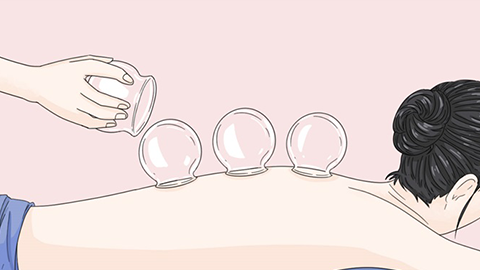
Blisters occurring during cupping are often attributed to heightened skin sensitivity. In most cases, blisters will not recur during subsequent cupping sessions. If a blister ruptures and becomes infected in daily life, appropriate topical medications should be applied symptomatically. Overall, prognosis remains favorable, and special medical intervention is usually unnecessary—most blisters resolve spontaneously over time.
Blisters may also arise due to inherently poor skin quality in certain individuals. However, suboptimal skin condition alone is not the sole factor; more importantly, patients often fail to monitor the cups closely during treatment or delay seeking timely care. Prolonged neglect inevitably leads to blister formation. If blisters are small, cover them with sterile gauze to prevent friction and allow gradual absorption. For blisters approximately the size of soybeans, puncture is necessary: use a sterile needle, sterile gauze, and sterile cotton balls to carefully drain the fluid, then gently cover the area with a thin layer of sterile gauze. Allow the site to dry and form a scab. We hope this information proves helpful!


