


How many days does the ovulation period last each month?

Every woman with regular menstrual cycles experiences ovulation. Normal ovulation is essential for optimal fertility.
So, how many days does the ovulation period last each month?
How Many Days Does the Ovulation Period Last Each Month?
True ovulation occurs on only one day per month. Ovulation typically takes place midway between two consecutive menstrual periods; however, the ovaries do not always ovulate precisely on the predicted date—ovulation may occur earlier or later than expected. Therefore, the approximately five to seven days before and after ovulation are collectively referred to as the “fertile window” or “high-risk period,” during which ovulation may occur at any time. Women trying to conceive should closely monitor intercourse timing during this fertile window to maximize their chances of pregnancy. All other times are considered the “relatively safe period,” primarily encompassing the first and last weeks of the menstrual cycle. During this safe period, the likelihood of ovulation is low, making sexual activity relatively safer. However, because ovulation can occasionally occur earlier or later than anticipated, contraceptive measures should still be used during this time.

Women are advised to pay special attention to diet and personal hygiene during the ovulation period: consume more fresh fruits and vegetables; avoid sweets and fried foods; wash the external genitalia with warm running water; change undergarments frequently; and take precautions against bacterial infection.
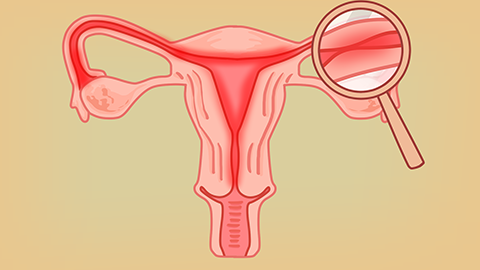
The ovulation period refers to the day(s) on which ovulation occurs—typically around the midpoint of the menstrual cycle. For example, if menstruation begins on the 1st of each month, ovulation usually occurs around the 14th or 15th. The first half of the menstrual cycle is known as the follicular phase, during which follicles gradually develop and mature until ovulation occurs. After ovulation, the cycle enters the luteal phase—the second half of the menstrual cycle. We hope this information is helpful!


