


What Causes Nipple Discoloration?
May 30, 2022
Source: Cainiu Health

Dr. Lv Aiming
Introduction
Nipple color changes are generally normal. Nipple color and size vary among individuals, and also differ across various physiological stages in the same person. Before puberty, the breasts and nipples have not yet developed, and the nipples may appear light pink. During puberty, the ovaries begin secreting estrogen, triggering breast tissue development—breasts enlarge and nipples begin to develop, with nipple color changing from light pink to pink.
Some women experience nipple discoloration, which may affect their physical and mental well-being. So, what causes nipple discoloration?
What Causes Nipple Discoloration?
Nipple discoloration is generally normal. Nipple color and size vary among individuals, and even within the same person, nipple color may change across different physiological stages. Before puberty, the breasts and nipples have not yet developed, and the nipples typically appear light pink. During puberty, ovarian estrogen secretion begins, triggering breast tissue development—breasts enlarge and nipples develop, with their color shifting from light pink to pink, dark pink, or gray. After sexual maturation, hormonal fluctuations induced by sexual activity, pregnancy, and breastfeeding cause further changes. Concurrently, the skin of the nipples ages, leading to progressive darkening—some nipples may even turn black. All these changes are part of normal physiology.
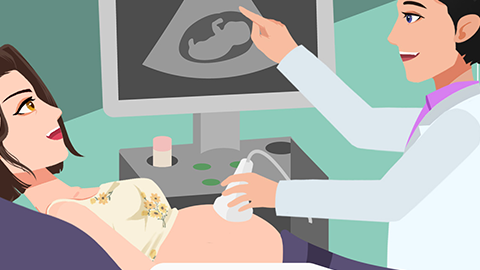
Other conditions and medications that influence hormonal balance may also cause nipple discoloration—including diabetes and oral contraceptives. Additionally, nipple discoloration can occur in a specific type of breast cancer (e.g., Paget’s disease of the breast), which presents not only with nipple color changes but also with eczema-like alterations of the nipple.

Darker nipple pigmentation is normal and generally not a cause for concern. Three common scenarios associated with darker nipple color include: (1) naturally darker nipple pigmentation—this is not indicative of disease; (2) temporary darkening following sexual activity; and (3) increased pigmentation during pregnancy, where nipple color deepens compared to pre-pregnancy levels. We hope this information is helpful to you!







