


How often is ejaculation during sleep considered normal?

After entering puberty, males may experience nocturnal emissions (also known as “wet dreams”). However, many men are unaware of how frequently nocturnal emissions are considered normal. So, how often is considered normal?
How Frequently Is Nocturnal Emission Considered Normal?
Nocturnal emission refers to involuntary ejaculation occurring during sleep. Ejaculation can occur either while awake or during sleep. There is no universally accepted standard for the normal frequency of nocturnal emissions; instead, assessment must be individualized based on underlying causes. Common scenarios include:
Physiological nocturnal emission: This occurs in individuals without any underlying medical or psychiatric conditions—such as anxiety or depression—and who enjoy normal sleep patterns. It typically affects unmarried men with no sexual activity. Frequency is generally once or twice per week and has no adverse effects on physical or mental health.
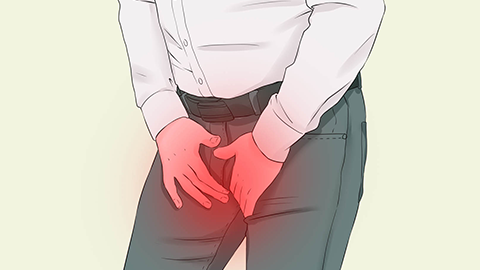
Pathological nocturnal emission: This refers to abnormally frequent emissions—for example, two to three times per week or even two to three times daily—which significantly impair physical and psychological well-being and thus require appropriate intervention. Common contributing factors include depression or anxiety leading to poor sleep quality, vivid or frequent dreams, and concomitant excessive nocturnal emissions. Moreover, frequent ejaculation while awake often interferes with work performance and academic functioning. Such cases represent a pathological condition requiring treatment. Low-dose pharmacotherapy is usually sufficient to modulate ejaculatory sensation and reduce emission frequency.
In daily life, men should avoid wearing tight-fitting trousers and prolonged sitting. Dietarily, they should consume foods rich in high-quality protein and vitamins, abstain from smoking and alcohol, and limit intake of spicy or highly stimulating foods. Regular physical exercise is also recommended to enhance overall physical fitness. We hope this information is helpful to you!


