


What are the effects of having only one kidney?

Generally, a healthy person has two kidneys, yet only one functioning kidney is sufficient to sustain normal daily physiological activities. So, what are the implications of having only one kidney?
Effects of Having Only One Kidney
In general, individuals can lead healthy lives even with just one kidney, as a single healthy kidney is fully capable of meeting the body’s daily functional requirements. However, this does not mean that losing one kidney is without consequence—doing so does exert certain physiological impacts on the body.
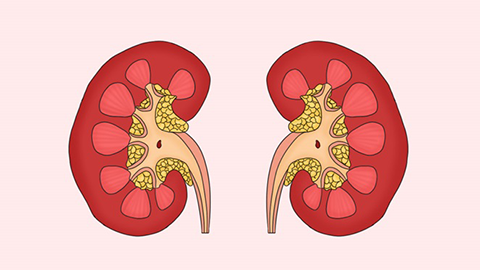
A single kidney can adequately support the body’s routine metabolic and excretory functions. However, many people today face increased risk of kidney injury due to various external factors. When kidney damage occurs, the remaining kidney compensates by enhancing its workload to maintain toxin elimination and ensure proper organ function. If one kidney is removed (e.g., via donation or surgical resection), the remaining kidney must assume the entire functional burden. This heightened demand increases its susceptibility to injury; over time, progressive damage may ensue, potentially leading to chronic kidney disease or even renal failure.

Having only one kidney does not inherently cause harm, provided it remains healthy and fully functional—capable of sustaining all necessary excretory and endocrine activities. Nevertheless, with only one kidney present, any injury or inadequate protection becomes significantly more consequential, potentially compromising its normal function. Therefore, individuals with a solitary kidney should undergo regular renal function assessments and periodic renal ultrasound examinations. We hope this article has been helpful. Wishing you good health and happiness!


