


How to Determine if Your Baby Is Constipated from Drinking Formula

Constipation in infants is largely attributable to impaired digestion and absorption. Differences between the dry and wet processing methods used in infant formula production may predispose babies to “heatiness” (a traditional Chinese medicine concept referring to inflammatory or hypermetabolic conditions), thereby increasing the risk of constipation. So, how can you tell if your baby’s constipation is related to formula feeding?
How to Identify Formula-Related Constipation in Infants
Infants experiencing formula-related constipation may present with facial flushing and should be promptly evaluated by a healthcare provider. Key signs include reduced stool volume, pebble-like stools that are dry and hard, straining during defecation, irritability or crying during bowel movements, pain, and—in severe cases—anal fissures (with blood streaking on stool surfaces), fecal leakage from the anus, prolonged excessive straining, and general lethargy.
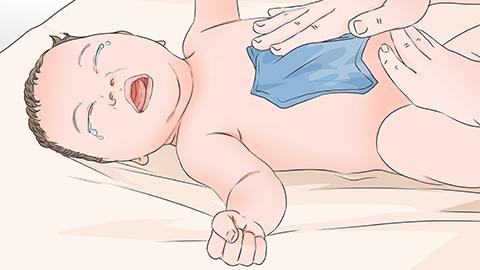
Additionally, a sour or rancid odor may be noticeable on the baby’s breath, and small rashes may appear on the face and around the mouth—prompt medical evaluation is advised in such cases. How can formula-related constipation be managed? Strategies include supporting digestion, performing gentle abdominal massage, introducing complementary foods (as appropriate), and—if necessary—medication under medical supervision. Constipation often stems from poor formula digestibility; probiotics may help alleviate symptoms. Abdominal massage promotes gastrointestinal motility and aids digestion.

For babies older than four months who are developing well, complementary foods—such as fruit purees or vegetable purees rich in dietary fiber—may be introduced under a physician’s guidance to stimulate intestinal motility. In cases of persistent constipation, stool-softening medications may be prescribed by a doctor. Chronic, refractory constipation warrants evaluation for underlying surgical conditions; timely medical consultation and treatment are essential. We hope this article has been helpful!


