


Normal Pulse Rate for Adult Males

The heart is one of the most vital organs in the human body. Under normal conditions, cardiac activity occurs at a consistent rate and rhythm. Heart rate can be assessed by measuring the pulse, and deviations from the normal range may indicate arrhythmia or other cardiac abnormalities.
Normal Pulse Rate for Adult Males
The typical resting pulse rate for adult males ranges from 60 to 100 beats per minute (bpm). However, this range is not absolute. For instance, well-trained athletes often exhibit lower resting heart rates due to enhanced cardiac efficiency. In healthy, non-athletic adult males, a resting heart rate of 50–59 bpm may still be considered normal. Conversely, individuals with physically demanding occupations—such as athletes or military personnel—may have resting heart rates exceeding 90 bpm.
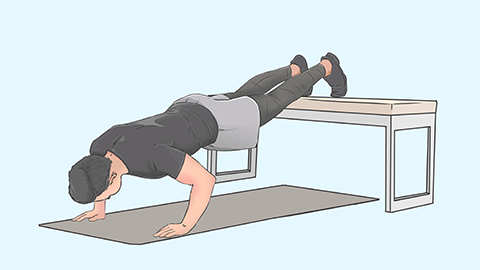
For accurate pulse measurement, it is best performed under calm, resting conditions. Long-term endurance athletes or individuals during deep sleep may exhibit slightly slower heart rates. Conversely, emotional stress or recent vigorous physical activity can transiently elevate heart rate—sometimes up to approximately 140 bpm. Such increases are typically physiological and not indicative of disease. However, pathological causes—including hyperthyroidism or severe anemia—can also accelerate heart rate, with some individuals exceeding 100 bpm at rest.

In daily life, maintaining healthy lifestyle habits is essential for cardiovascular health and for reducing the risk of heart disease. We hope this information has been helpful to you.


