


What vitamin deficiency causes mouth ulcers?

Some cases of oral ulcers are caused by vitamin deficiencies, though the specific deficient vitamin may not always be clear. So, which vitamins are commonly associated with oral ulcers?
Which Vitamins Are Commonly Deficient in Oral Ulcer Patients?
Oral ulcers may result from deficiencies in vitamin B₂ (riboflavin) and/or vitamin C. Individuals with insufficient vitamin B₂ levels are more prone to developing oral ulcers. Vitamin B₂ plays a critical role in flavin enzyme synthesis; thus, impaired synthesis of these enzymes disrupts normal metabolic processes. The most prominent clinical manifestations include oral ulcers and cheilitis (inflammation of the lips).
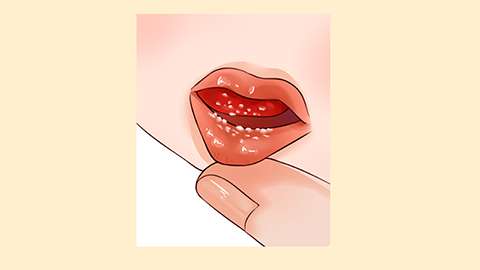
A deficiency in vitamin C compromises immune function, rendering the body less capable of resisting bacterial invasion. Moreover, inadequate vitamin C can lead to recurrent oral mucosal bleeding, thereby creating pathological conditions conducive to ulcer formation. Since oral ulcers are closely linked to vitamin status, patients may benefit—under medical supervision—from multivitamin supplementation, specifically vitamin C and vitamin B₂ tablets. Alternatively, crushing these tablets into a fine powder and applying it directly to the ulcerated area may accelerate healing.
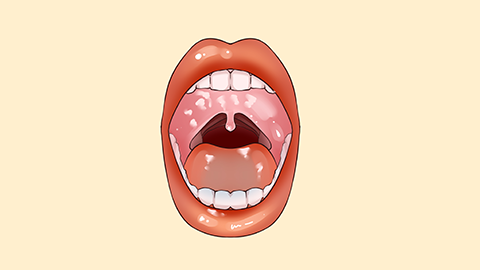
In addition to pharmacological treatment, patients with oral ulcers should incorporate vitamin-rich foods into their diet. Fresh fruits and vegetables are excellent sources of various vitamins. Additionally, vitamin B₂ is abundant in leafy green vegetables, legumes, fish, meat, eggs, and dairy products. Regular consumption of these foods can help alleviate oral ulcers. We hope this information proves helpful to you!


