


Traumatic oral ulcer

Traumatic oral ulcers are the most common oral mucosal disorders and warrant heightened public awareness. So, what exactly are traumatic oral ulcers?
Traumatic Oral Ulcers
Traumatic ulcers arise from physical injury or trauma—for example, ill-fitting dentures, self-biting (as may occur in some children), or other self-inflicted injuries. All such self-induced ulcers fall under the category of traumatic ulcers. These ulcers are typically chronic and deep, often surrounded by inflammatory hyperplasia—such as mucosal edema or whitening. The size, location, and depth of the ulcer correspond precisely to the causative irritant. For instance, recurrent biting may produce an ulcer at the exact site of trauma; similarly, residual roots or crowns can induce ulcers matching their shape and position.
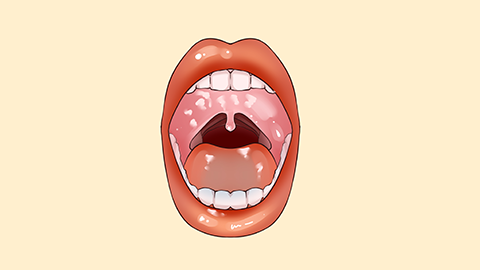
In general, traumatic ulcers are readily treatable. The first step is eliminating the local source of irritation. Poorly fitting dental prostheses must be removed, as must residual roots or crowns. Sharp edges—such as those on broken teeth or restorations—should also be smoothed or removed. In cases where children habitually bite their oral mucosa, behavioral counseling and education are essential to break this habit and prevent recurrence.
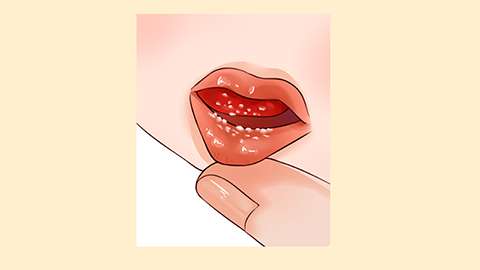
Maintaining good oral health and hygiene is indispensable. Proper cleaning helps suppress bacterial proliferation, and a clean oral environment constitutes a highly effective preventive measure against traumatic oral ulcers. It is crucial to eliminate all potential irritants—including residual roots or crowns, overcontoured restorations, and sharp cusps—through appropriate dental intervention. We hope this information proves helpful!


