


What causes stomach pain and watery diarrhea?

Stomach pain accompanied by watery diarrhea is a very common condition; when it occurs, it can cause significant discomfort. Therefore, timely measures should be taken to alleviate symptoms. So, what causes stomach pain and watery diarrhea?
What Causes Stomach Pain and Watery Diarrhea?
Acute gastroenteritis is a likely cause. This may result from consuming contaminated or indigestible food, abdominal exposure to cold, or other factors triggering gastrointestinal inflammation and infection. The inflammatory response irritates the intestinal mucosa, accelerating intestinal motility and leading to symptoms such as abdominal pain, diarrhea, bloating, and nausea.

In such cases, anti-inflammatory and antidiarrheal medications—such as levofloxacin tablets or furazolidone—may be administered. Oral rehydration solutions (e.g., glucose-saline solution) are recommended for patients with diarrhea to prevent dehydration. For stomach pain, applying local heat to the abdomen and taking gastric mucosal protective agents—such as sucralfate—may help. Initially, ensure adequate abdominal warmth to avoid cold exposure, and limit intake of spicy, cold, or hard-to-digest foods. Supplementing with glucose and physiological saline helps prevent dehydration and electrolyte imbalances. Monitor body temperature for signs of fever. Digestive aids and probiotics may be taken orally to support digestion and restore gut flora balance. Further evaluation—including complete blood count (CBC) and stool analysis—should be conducted at a healthcare facility. Severe cases may require intravenous fluid therapy.
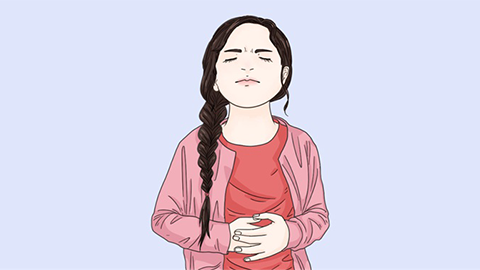
Maintain strict food hygiene and stay warm to prevent colds. Eat regularly—avoid overeating or irregular meals—and adhere to fixed times and portions for three daily meals. Prefer easily digestible liquid or semi-liquid foods, increase intake of fresh vegetables and fruits, and minimize consumption of spicy, raw, cold, or greasy foods. Avoid eating before bedtime and engage in light physical activity after meals. We hope this information proves helpful!


