


What is the normal endometrial thickness in millimeters?

The thickness of the endometrium undergoes regular, cyclical changes throughout the menstrual cycle and is not constant.
What is the normal endometrial thickness (in mm)?
The normal endometrial thickness typically ranges from 1 to 10 mm. Taking a standard 28-day menstrual cycle as an example, the endometrium undergoes three distinct phases: the menstrual phase, the proliferative phase, and the secretory phase. Days 1–4 of the cycle constitute the menstrual phase, during which progesterone withdrawal triggers secretory changes in the endometrium. Days 5–14 correspond to the proliferative phase, coinciding with follicular maturation; during this time, both the endometrial lining and stromal cells actively proliferate. In the final secretory phase, declining estrogen and progesterone levels stimulate prostaglandin synthesis within the endometrium, prompting myometrial contractions and inducing spasm of the spiral arterioles in the functional layer—thereby reducing endometrial blood flow. At this stage, endometrial thickness may reach 8–10 mm.
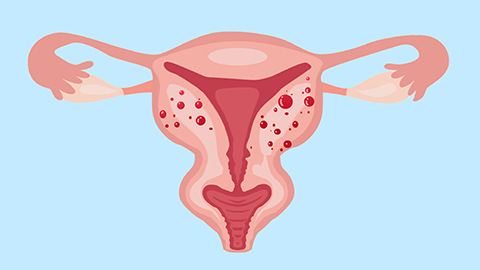
If the endometrium is excessively thick, two potential causes include endometrial polyps or abnormally elevated estrogen and/or progesterone levels secreted by the ovaries. Prior to menstruation, some women may have an endometrial thickness exceeding 1.0 cm, while others may reach up to 1.3 cm. An endometrial thickness of approximately 1.0 cm just before menses generally correlates with moderate menstrual flow; however, a thickness of around 1.3 cm may be associated with heavier menstrual bleeding.
Thus, normal endometrial thickness varies across different phases of the menstrual cycle, each with its own expected range. Values significantly above or below these reference ranges are considered abnormal. We hope this explanation has been helpful!


