


Can *Helicobacter pylori* cause diarrhea?
Jun 01, 2022
Source: Cainiu Health

Dr. Zhao Haiming
Introduction
Helicobacter pylori (H. pylori) does not cause diarrhea. H. pylori is a spiral-shaped, facultative anaerobic bacterium that thrives in harsh environments. When it colonizes the gastric antrum (pylorus), it can lead to gastritis, gastric ulcers, and even gastric cancer. Diarrhea refers to an increased frequency of bowel movements accompanied by loose or watery stools, often associated with abdominal pain. It results from various intestinal infections and disorders of digestive function.
Generally referring to *Helicobacter pylori* (*H. pylori*), a spiral-shaped, microaerophilic bacterium with demanding growth requirements. You may be wondering: Can *H. pylori* infection cause diarrhea?
Can *H. pylori* cause diarrhea?
No, *Helicobacter pylori* does not cause diarrhea. *H. pylori* is a spiral-shaped, facultative anaerobic bacterium that thrives in the harsh acidic environment of the stomach. When it colonizes the gastric antrum (pylorus), it can lead to gastritis, gastric ulcers, and even gastric cancer. Diarrhea, by contrast, refers to an increased frequency of bowel movements accompanied by loose or watery stools, often associated with abdominal pain. It is typically caused by various intestinal infections or disturbances in digestive function. For *H. pylori* eradication, quadruple therapy is recommended—comprising omeprazole, clarithromycin, amoxicillin, and bismuth pectin. Specific medication regimens should be determined by your physician.
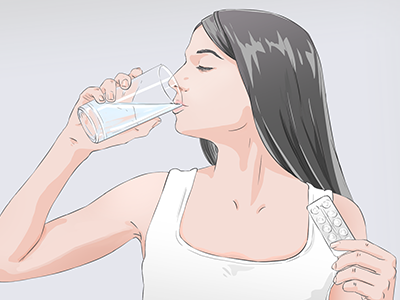
Harmful effects of *H. pylori* include: First, *H. pylori* can reside in dental plaque, leading to oral infections and halitosis (bad breath). Second, it can cause gastritis, gastric ulcers, and duodenal ulcers. Third, chronic infection may damage the gastric mucosa and increase the long-term risk of gastric cancer. Fourth, it may disrupt the balance of intestinal microbiota, resulting in related gastrointestinal symptoms.

*H. pylori* is transmitted primarily via oral–oral and fecal–oral routes. Therefore, preventive measures include: 1. Avoiding clustered infections—minimize shared meals and adopt individualized dining practices. 2. Regularly disinfecting tableware using a sterilizing cabinet. 3. Consuming thoroughly cooked food and avoiding raw or undercooked items. 4. Washing hands thoroughly after defecation and before meals. We hope this information is helpful to you!


