


What does it mean when hepatitis B surface antigen (HBsAg) levels are high?

Due to incomplete understanding of hepatitis B, many people today fear it excessively—yet it is not nearly as terrifying as commonly perceived. So, what does “elevated hepatitis B surface antigen (HBsAg)” actually mean?
What Does “Elevated Hepatitis B Surface Antigen” Mean?
Only a positive hepatitis B surface antibody (anti-HBs) provides protection against hepatitis B virus (HBV) infection and safeguards the liver. Even if HBV enters the body, this antibody can neutralize the virus, making hepatitis B infection highly unlikely. Generally, an anti-HBs level above 100 mIU/mL indicates a positive result; levels between 10–100 mIU/mL suggest the presence of anti-HBs, albeit at a low titer—under such circumstances, HBV infection remains possible upon viral exposure.
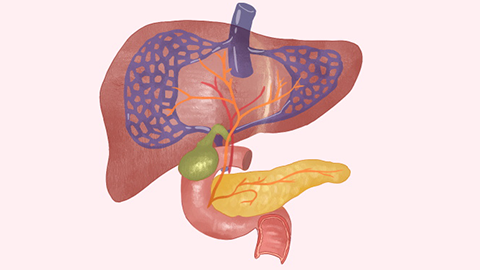
When patients infected with HBV receive timely and effective treatment, the disease can be successfully suppressed or even cured—and in such cases, anti-HBs may appear. Alternatively, elevated anti-HBs levels detected during routine screening may simply reflect prior HBV clearance that occurred long ago. Over time, anti-HBs titers gradually decline. Once levels fall below the protective threshold (i.e., <10 mIU/mL), this protective antibody can no longer adequately shield the liver, increasing susceptibility to reinfection with HBV.

It is recommended to undergo liver function tests and HBV-DNA quantification every three to six months to closely monitor hepatic function and assess whether HBV is actively replicating in the body. Prompt symptomatic treatment should be initiated upon detection of abnormal liver function or active viral replication. We hope this information proves helpful. Wishing you a joyful life and optimal health!


