


What should I do if I experience severe diarrhea after chemotherapy?

Chemotherapy drugs are used to kill tumor cells, inhibit their growth and proliferation, and promote their differentiation. This is a systemic treatment effective against both primary tumors and subclinical metastases. So, what should be done if severe diarrhea occurs after chemotherapy?
Management of Severe Diarrhea Following Chemotherapy
Management strategies for severe diarrhea after chemotherapy include: 1. Fluid replacement: Severe diarrhea can lead to dehydration; therefore, oral rehydration solutions containing glucose and electrolytes (including potassium) should be administered to prevent electrolyte imbalances. 2. Antidiarrheal medications: Drugs such as smectite powder may be prescribed to control diarrhea. 3. Specific management for irinotecan-induced diarrhea: For diarrhea caused by irinotecan, loperamide (brand name: Imodium®) is recommended as first-line therapy. If diarrhea does not improve within 48 hours, octreotide should be initiated. 4. Intravenous fluid support: In severe cases, intravenous hydration may be necessary.
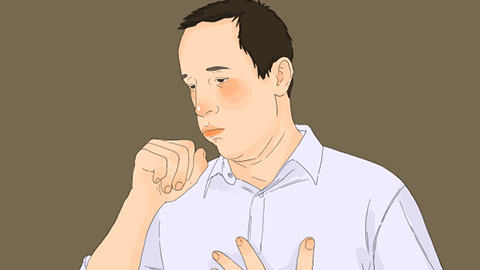
Dietary care is essential during chemotherapy-induced diarrhea. When gastrointestinal symptoms such as diarrhea occur, patients should follow a bland, low-fat, low-sugar diet and avoid gas-producing foods. Meals should be small and frequent, emphasizing soft, low-residue, low-fiber, and non-irritating foods.
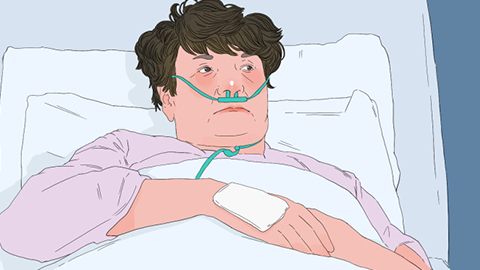
In cases of severe chemotherapy-related diarrhea, strict attention must be paid to food hygiene and proper disinfection of utensils. Additionally, patients are advised to consume potassium-rich foods while avoiding fatty meats, fried foods, highly sweetened items, and dairy products—including milk and other dairy derivatives. We hope this information proves helpful!


