


What causes upper abdominal pain?

Upper abdominal pain is a common occurrence in daily life. Because the abdomen contains numerous organs, abdominal pain can stem from many different causes—definitive diagnosis therefore requires medical evaluation at a hospital. So, what exactly causes upper abdominal pain?
What Causes Upper Abdominal Pain?
Pain in the upper abdomen may be associated with disorders of the stomach, duodenum, gallbladder, bile ducts, liver, or pancreas. For instance, patients with pancreatitis may also experience upper abdominal pain. Thus, potential underlying conditions include gastritis, gastric ulcers, duodenal bulb inflammation, duodenal ulcers, cholecystitis, and gallstone-induced pancreatitis. Gastric and duodenal ulcers commonly cause abdominal pain, often accompanied by symptoms such as bloating, nausea, and vomiting. If upper right abdominal pain is associated with bitter taste in the mouth, loss of appetite, or nausea after consuming fatty foods, it may indicate hepatic or biliary disease.
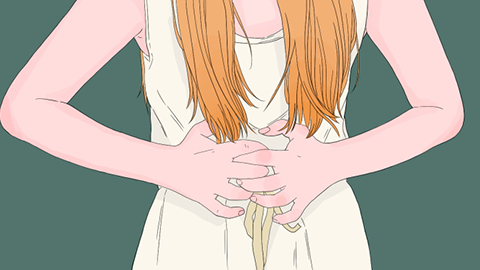
There are numerous possible causes of abdominal pain; thus, individuals experiencing symptoms should seek timely treatment and adopt healthy lifestyle habits for prevention. Most cases of abdominal pain are diet-related. Patients should avoid overeating—maintaining a “70% full” feeling is ideal—and instead opt for smaller, more frequent meals. Cultivating good habits—such as washing hands before meals, chewing food thoroughly, and favoring warm (rather than cold) foods—is highly recommended. Drinking cold water or consuming cold foods should be minimized, especially for individuals prone to indigestion; such individuals should particularly limit portion size and choose lighter, less greasy options for dinner. Regular physical activity is also advised—aiming for 1–2 hours per day—but exercise should not be performed on an empty stomach; waiting at least 30 minutes after eating is preferable. Additionally, maintaining psychological well-being and managing daily stress levels is important.
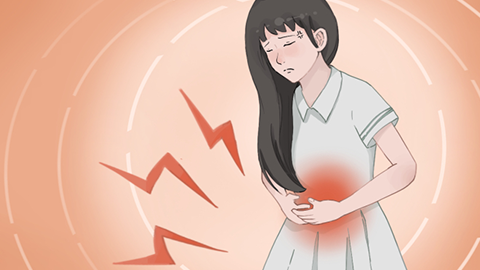
We recommend maintaining regular daily routines. Should upper abdominal pain become severe, prompt medical attention at a hospital is essential. We hope this information proves helpful to you.


