


What Causes Pain in the Lower Right Abdomen?

Abdominal pain is highly prevalent in modern society. Prolonged work-related stress and irregular eating habits are common contributors to upper and mid-abdominal discomfort. But what causes right lower quadrant (RLQ) abdominal pain?
What Causes Right Lower Quadrant Abdominal Pain?
First, it’s important to understand which organs reside in the right lower abdomen—such as portions of the small intestine, the ureter as it passes retroperitoneally, and, in females, the fallopian tube and ovary. Pathology affecting any of these structures may cause pain. The most common cause is appendicitis, typically presenting with migratory RLQ pain, associated gastrointestinal symptoms (e.g., nausea and vomiting), and marked tenderness upon palpation of the RLQ. Ureteral calculi can cause severe pain but often produce minimal abdominal physical signs. Ovarian cysts can be definitively diagnosed via ultrasound. For inflammatory or neoplastic conditions involving the ileocecal region, colonoscopy aids diagnosis. In children, acute mesenteric lymphadenitis frequently follows an upper respiratory infection, and abdominal ultrasound commonly reveals multiple enlarged mesenteric lymph nodes.
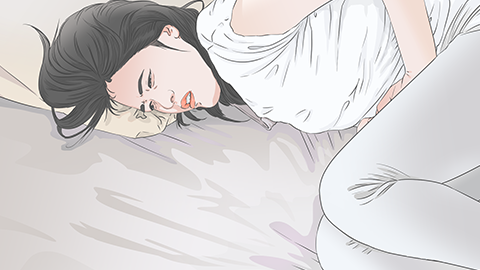
Abdominal pain may be alleviated through local heat application or gentle abdominal massage. Causes of abdominal pain include dietary indiscretion, exposure to cold, or underlying gastric disorders. Fill a hot water bottle with warm water, wrap it in a dry towel, and apply it to the abdomen to help relieve pain. Alternatively, gently massage the abdomen clockwise around the umbilicus using the palm of your hand—this may ease colicky abdominal pain. If pain stems from gastric spasm or gastritis, medications that reduce gastric acid secretion may provide symptomatic relief.

When experiencing abdominal pain, pay close attention to your diet—opt for light, soft, and easily digestible foods. We hope this information proves helpful!


