


What Causes Diarrhea During Menstruation?
Jun 02, 2022
Source: Cainiu Health

Dr. Chen Zhe
Introduction
During menstruation, pelvic congestion leads to uterine congestion, which increases pressure on the rectum and may cause mild diarrhea. If diarrhea occurs in isolation—without other associated symptoms—it is generally of little clinical significance. This phenomenon is linked to hormonal fluctuations during the menstrual period. Typically, symptoms resolve completely once menstruation ends. From the perspective of Traditional Chinese Medicine (TCM), diarrhea during menstruation may also result from spleen-stomach deficiency.
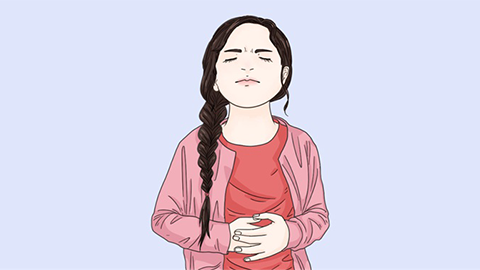
For women, menstruation is often accompanied by various discomforts. In addition to the most common symptom—dysmenorrhea—many also experience diarrhea during their menstrual period. So, what causes diarrhea during menstruation?
What Causes Diarrhea During Menstruation?
During menstruation, pelvic congestion leads to uterine congestion as well, increasing pressure on the rectum and thereby causing mild diarrhea. If diarrhea occurs in isolation—without other associated symptoms—it generally has minimal impact on health. This phenomenon is linked to hormonal fluctuations occurring throughout the menstrual cycle. Typically, symptoms resolve completely once menstruation ends. From the perspective of Traditional Chinese Medicine (TCM), spleen-stomach deficiency during menstruation may also contribute to diarrhea. Additionally, catching a cold during this time can trigger abdominal pain and bloating; consuming raw or cold foods may likewise induce diarrhea, often accompanied by abdominal pain. Kidney-yang deficiency may manifest as edema and diarrhea, along with cold hands and feet.

Moreover, during menstruation, the body’s immune resistance declines. Poor dietary hygiene—such as consuming spoiled food—can easily lead to enteritis and diarrhea. Therefore, routine stool examination is recommended for menstrual-related diarrhea. If bacterial infection is confirmed, antibiotics such as amoxicillin may be prescribed. It is also advisable to drink plenty of fluids and keep the abdomen warm.
Patients should maintain genital hygiene, avoid cold exposure, refrain from consuming processed or junk foods, and avoid foods containing exogenous hormones. An abdominal ultrasound may be considered to rule out underlying pathology and ensure no complications are present. We hope this information proves helpful.



